Is Dental Sedation Safe for Kids? What Parents Should Know
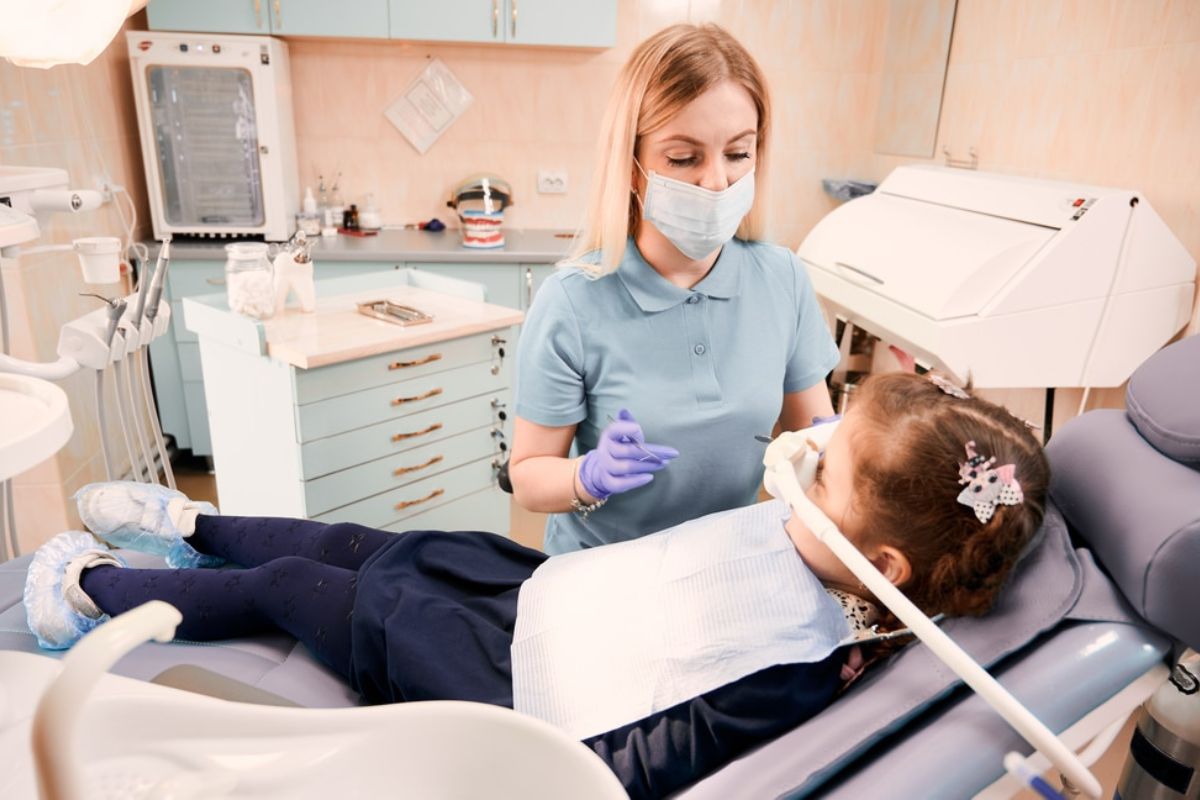
Dental visits can be stressful for children, especially those with anxiety or special needs. In such cases, sedation dentistry can help make the experience more comfortable. But as a parent, you may wonder, “Is dental sedation safe for my child?” Understanding how sedation works, its safety measures, and its benefits can help you make an informed decision.
What Is Dental Sedation?
Dental sedation is the use of medication to help patients relax during dental procedures. It is commonly used for children who experience fear or have difficulty sitting still for long treatments. Sedation does not always mean a child will be asleep; in many cases, they remain awake but feel calm and comfortable.
Types of Dental Sedation for Kids
There are different types of sedation used in pediatric dentistry, depending on the child’s needs and the complexity of the procedure.
- Nitrous Oxide (Laughing Gas)
- A mild sedative that helps children feel relaxed but fully awake.
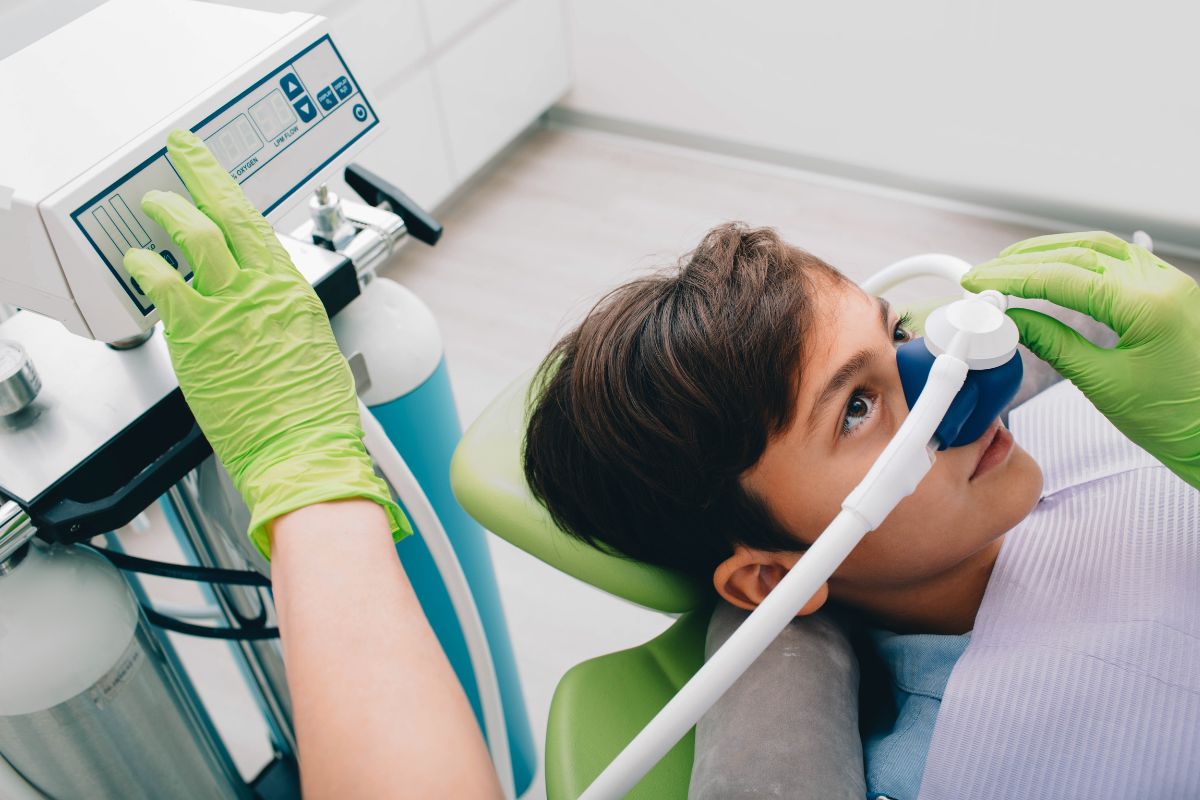
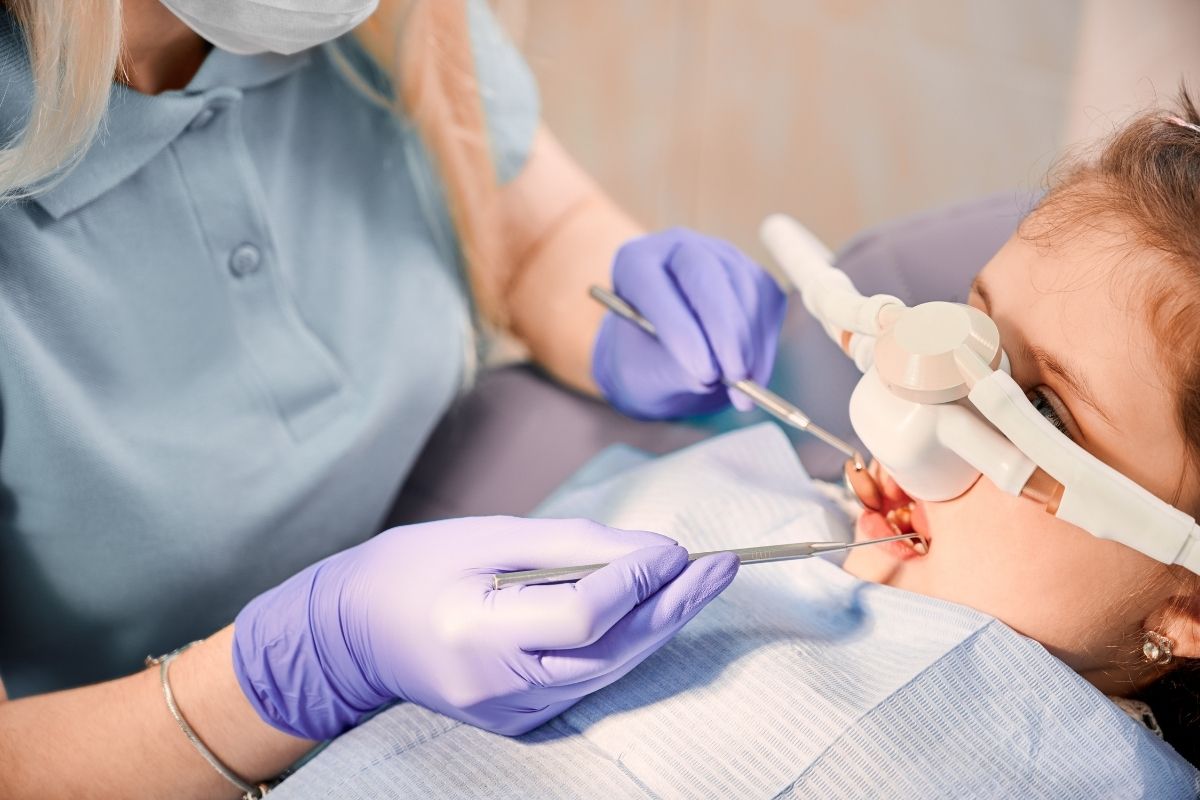
- Inhaled through a small mask placed over the nose.
- Wears off quickly once the procedure is done.
- Oral Sedation
- A liquid or pill medication taken before the procedure.
- Helps children feel drowsy but still responsive.
- Effects can last a few hours after the appointment.
- IV Sedation
- Administered through a vein for deeper relaxation.
- The child may remain awake but in a deeper state of calm.
- Monitored closely by a trained professional.
- General Anesthesia
- Used for more complex procedures or for children with severe anxiety.
- The child is completely asleep and unaware of the procedure.
- Only done in a controlled environment under expert supervision.
Is Dental Sedation Safe for Kids?
Yes, dental sedation is generally safe when administered by an experienced dental team. Kid’s dentists follow strict guidelines to ensure the child’s safety during and after sedation. Before recommending sedation, the dentist will evaluate the child’s medical history, weight, and overall health to determine the safest option.
Safety Measures in Sedation Dentistry
A Sedation Dentist in Asheville takes several precautions to ensure the procedure is safe for children:
- Thorough Evaluation: The child’s health and medical history are reviewed before sedation.
- Proper Dosage: Medication is carefully measured based on age, weight, and procedure type.
- Continuous Monitoring: During sedation, vital signs like heart rate and oxygen levels are tracked.
- Trained Professionals: Only qualified dental professionals administer and oversee sedation.
When performed correctly, sedation allows children to receive necessary dental care without unnecessary stress or fear.
When Is Sedation Recommended for Kids?
Not all children need sedation for dental treatment. However, it may be recommended in the following situations:
✔ Severe Dental Anxiety: If a child has extreme fear of the dentist, sedation can help them stay calm.
✔ Difficulty Sitting Still: Young children or those with special needs may struggle to remain still during longer procedures.
✔ Extensive Dental Work: Sedation may be necessary for procedures like extractions, fillings, or crowns.
✔ Sensitive Gag Reflex: Some children have a strong gag reflex that makes treatment uncomfortable.
A consultation with a Sedation Dentist in Asheville can help determine whether sedation is the right choice for your child.
What Are the Risks of Dental Sedation?
Like any medical procedure, sedation has some risks, but they are minimal when performed by trained professionals. Potential risks include:
- Drowsiness: Children may feel sleepy for a few hours after the procedure.
- Nausea or Vomiting: Some medications may cause mild nausea.
- Allergic Reactions: Rare but possible, which is why medical history is reviewed beforehand.
- Breathing Issues: Extremely rare, but oxygen levels are closely monitored during the procedure.
Most children recover quickly from sedation without complications. Following the dentist’s aftercare instructions helps ensure a smooth recovery.
How to Prepare Your Child for Sedation
If your child is scheduled for a sedation procedure, proper preparation can help things go smoothly.
🔹 Follow Fasting Guidelines: Your dentist may ask you to avoid giving food or drink before sedation.
🔹 Dress Comfortably: Loose-fitting clothes make it easier for the dental team to monitor vital signs.
🔹 Bring a Comfort Item: A favorite toy or blanket can help your child feel more at ease.
🔹 Explain What to Expect: Use simple words to reassure your child that the dentist is there to help.
After the procedure, allow your child to rest and avoid giving them hard or sticky foods until the sedation fully wears off.
Frequently Asked Questions
How do we determine if dental sedation is safe for your child?
Our team carefully reviews your child’s age, medical history, treatment needs, and overall health before recommending any form of dental sedation.
Will my child be monitored during sedation?
Yes. We closely monitor your child throughout the procedure to help ensure their comfort and safety while receiving dental care.
Can dental sedation help children with dental anxiety?
Yes. We often use dental sedation to help children feel more relaxed and comfortable during treatment, especially if they experience dental fear or have difficulty sitting through procedures.
How should I prepare my child for a sedation appointment?
We provide detailed instructions before the appointment, which may include guidelines regarding meals, beverages, and medications to help ensure a smooth experience.
What can we expect after our child’s sedation appointment?
After treatment, your child may experience temporary drowsiness or grogginess as the sedation wears off. We provide post-treatment instructions to help support a comfortable recovery at home.
Conclusion
Dental sedation is a safe and effective option for children who need help staying relaxed during treatment. It is carefully administered by professionals who prioritize your child’s safety. If your child struggles with dental anxiety or needs extensive treatment, discussing sedation options with a qualified dentist can help make their experience more comfortable.
If you have concerns about dental sedation for your child, schedule a consultation with an experienced pediatric dentist to explore the best approach for their needs.
Related Articles
March 18, 20263