All About Primary Teeth: Care Tips and Why They’re Important

Primary teeth, often called baby teeth, play a much bigger role than many parents realize. These early teeth do more than help children chew food or smile for photos—they support speech development, guide permanent teeth into place, and contribute to overall health. Understanding how to care for primary teeth and why they matter can help parents set their children up for a lifetime of healthy smiles.
This guide breaks down what every parent should know about primary teeth, from when they appear to how to protect them through every stage of childhood.
What Are Primary Teeth?
Primary teeth are the first set of teeth children develop. Most children begin teething around six months of age, though timing can vary. By age three, many have a full set of 20 primary teeth. These teeth typically remain in place until around age six, when they gradually begin to fall out and make room for permanent teeth.
Even though they are temporary, primary teeth serve essential purposes. They help children learn to chew properly, pronounce words clearly, and maintain proper spacing for adult teeth.
Why Primary Teeth Are So Important
Some parents assume that baby teeth don’t require much attention because they eventually fall out. In reality, neglecting them can lead to long-term issues.
Supporting Proper Nutrition
Healthy teeth allow children to chew a wide variety of foods, including fruits, vegetables, and proteins essential for growth. Tooth pain or decay can limit what a child is willing or able to eat.
Helping with Speech Development
Teeth play a key role in forming sounds and words. Missing or damaged teeth can affect pronunciation and speech clarity during important developmental years.
Guiding Permanent Teeth
Primary teeth act as placeholders for adult teeth. If a baby tooth is lost too early due to decay or injury, nearby teeth may shift, leading to crowding or alignment problems later on.
Protecting Overall Health
Dental infections can spread if left untreated, affecting more than just the mouth. Early oral care supports a child’s general health and comfort.
Common Problems Affecting Primary Teeth
Even with good intentions, primary teeth can face challenges.
Tooth Decay
Cavities are one of the most common childhood health conditions. Sugary snacks, frequent sipping of juice or milk, and inconsistent brushing increase the risk.
Early Tooth Loss
Decay or trauma can cause a tooth to fall out sooner than expected, potentially affecting spacing for adult teeth.
Gum Inflammation
Red or swollen gums can signal early gum issues, often linked to plaque buildup or poor brushing habits.
Regular visits to a children dentist help identify and manage these concerns before they become more serious.
Care Tips for Healthy Primary Teeth
Good oral habits should start early and evolve as children grow.
Start Cleaning Early
Even before teeth appear, gently wiping a baby’s gums with a soft cloth helps remove bacteria. Once teeth emerge, use a small, soft toothbrush with a tiny amount of fluoride toothpaste.
Brush Twice a Day
Brushing in the morning and before bed helps remove plaque and food particles. Parents should assist or supervise brushing until children have the coordination to do it well on their own, usually around age seven or eight.
Introduce Flossing
As soon as teeth touch, flossing becomes important. It removes debris from areas a toothbrush can’t reach.
Watch the Diet
Limiting sugary snacks and drinks reduces the risk of cavities. Encourage water between meals and reserve sweets for occasional treats.
Avoid Bedtime Bottles
Putting a child to bed with a bottle of milk or juice can bathe teeth in sugar overnight, increasing decay risk.
When Should Children See a Dentist?
Most dental professionals recommend scheduling a child’s first dental visit by their first birthday or when the first tooth appears. Early visits help children become comfortable in a dental setting and allow parents to receive guidance tailored to their child’s needs.
Seeing a kid’s dentist in Asheville regularly ensures that primary teeth are monitored as they grow and change. These visits focus on prevention, education, and early detection rather than treatment alone.
Helping Kids Feel Comfortable with Dental Visits
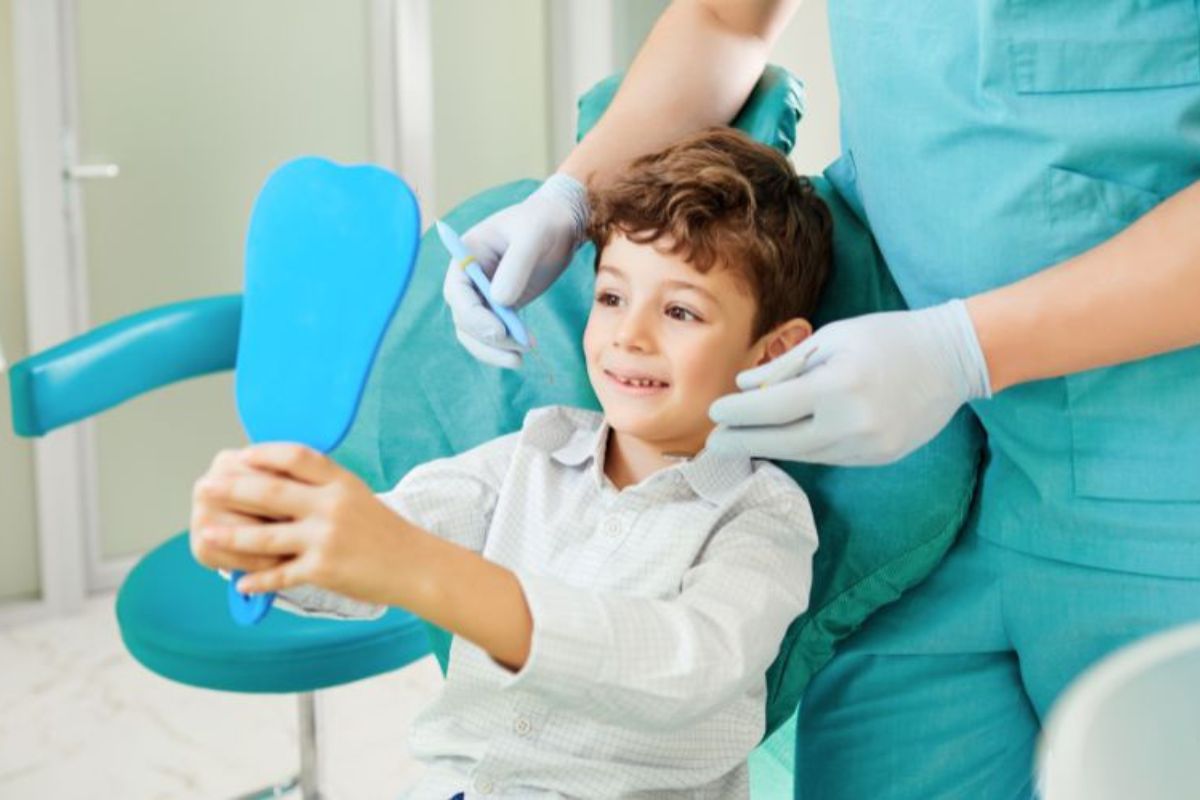
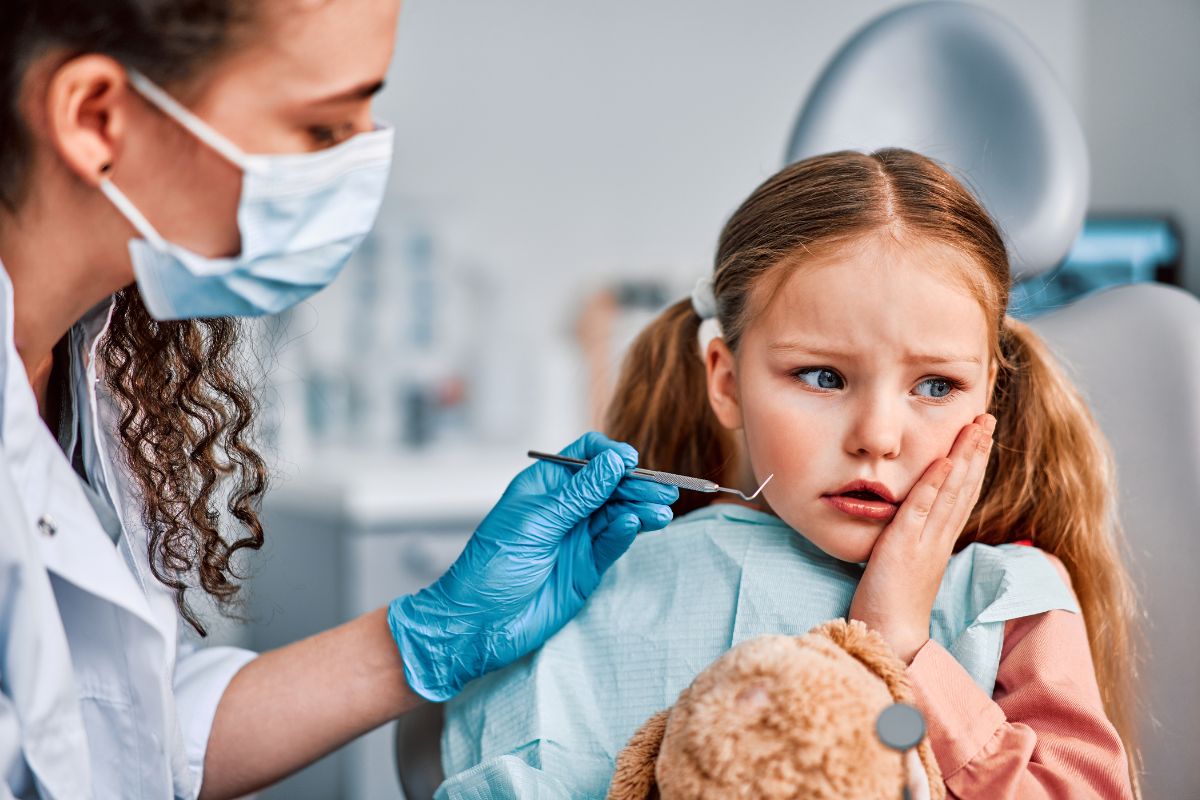
A positive attitude goes a long way. Talking about dental visits in a calm, encouraging way helps reduce anxiety. Reading books or watching kid-friendly videos about dental care can also prepare children for what to expect.
Choosing a practice experienced in pediatric care, such as Best Bites Dental in Asheville, NC, can make visits more comfortable and engaging for young patients.
Conclusion
Primary teeth may be temporary, but their impact lasts a lifetime. They support healthy eating, clear speech, proper alignment, and overall well-being during critical developmental years. By starting oral care early, maintaining consistent routines, and scheduling regular dental visits, parents can protect their child’s smile and prevent avoidable problems.
Understanding the importance of baby teeth empowers families to make informed decisions and build habits that carry into adulthood.
If you have questions about your child’s oral development or want guidance on caring for primary teeth, consider scheduling a visit with a trusted kid’s dentist in Asheville. The team at Best Bites Dental is dedicated to helping children feel comfortable while supporting healthy smiles from the very beginning. Take the first step toward lifelong oral health today.