What Asheville Parents Should Know Before a Child’s First Orthodontic Visit
A child’s first orthodontic visit often brings a mix of curiosity and uncertainty. Parents may wonder what happens during the appointment, whether treatment will be recommended, and how their child will react to a new experience. The good news is that an early orthodontic evaluation is usually simple, educational, and designed to help families understand how a child’s smile is developing. Preparing beforehand can make visiting feel less intimidating and more exciting. Children often respond better when they know what to expect and understand that the appointment focuses on helping their smile grow properly.
The American Association of Orthodontists recommends that children receive an orthodontic evaluation by age seven. At that stage, growth patterns, bite development, and tooth positioning can be assessed before concerns become more noticeable. If you are searching for a kids’ orthodontist in Asheville, understanding how to prepare for the first visit can really help. It can make it easier for both you and your child to feel more confident about the experience. Best Bites Dental offers children’s orthodontic evaluations and interceptive care to promote healthy smile development and make young patients comfortable from the start.
Why Early Orthodontic Evaluations Matter for Growing Smiles?
Understanding the purpose of an early evaluation helps parents recognize why timing can play an important role in a child’s dental development:
The Age Experts Recommend an Evaluation
Many parents assume orthodontic concerns become relevant only after all permanent teeth appear. However, experts recommend an evaluation around age seven because important growth patterns are already visible by then. The goal is not always treatment. Instead, the visit helps identify how the teeth and jaws are developing.
What Orthodontic Professionals Look For
During an evaluation, the local dental practice assesses several aspects of development. They may review tooth eruption patterns, jaw growth, spacing issues, crowding concerns, and bite alignment. Habits such as prolonged thumb sucking may also influence how a child’s smile develops over time.
Why Early Detection Can Make a Difference
Identifying concerns early allows families to monitor development before issues become more complex. In some situations, interceptive orthodontic care may help guide growth and create better conditions for permanent teeth. Even when no immediate treatment is needed, parents gain valuable information about future dental development. Small changes often become easier to manage when they are recognized early.
How Parents Can Prepare Before the Appointment?
Simple preparation can transform an unfamiliar visit into a positive and comfortable experience for children:
Talk About the Visit in a Positive Way
Children often take emotional cues from adults. Present the appointment as an opportunity to learn about their smile rather than something to fear. Positive language can help reduce anxiety and build excitement about meeting the care team. Avoid discussing discomfort or sharing negative dental experiences. Instead, explain that the visit helps ensure their teeth and jaws are growing properly.
Explain What May Happen During the Evaluation
Children usually feel calmer when they understand what to expect. Let them know that the team may look at their teeth, discuss how their smile is growing, and take time to answer questions. Reassure them that the appointment focuses on observation and education. Keeping explanations simple often works best for younger children.
Gather Questions Beforehand
Parents frequently arrive with questions about growth, spacing, bite concerns, or oral habits. Writing questions down before the appointment ensures important topics are discussed during the visit. This preparation also helps families leave with a clearer understanding of their child’s developmental needs and future recommendations.
What Can Your Child Expect During Their First Orthodontic Visit?
Knowing what happens during the appointment often removes much of the uncertainty that children and parents may feel beforehand:
Meeting the Team and Becoming Familiar With the Environment
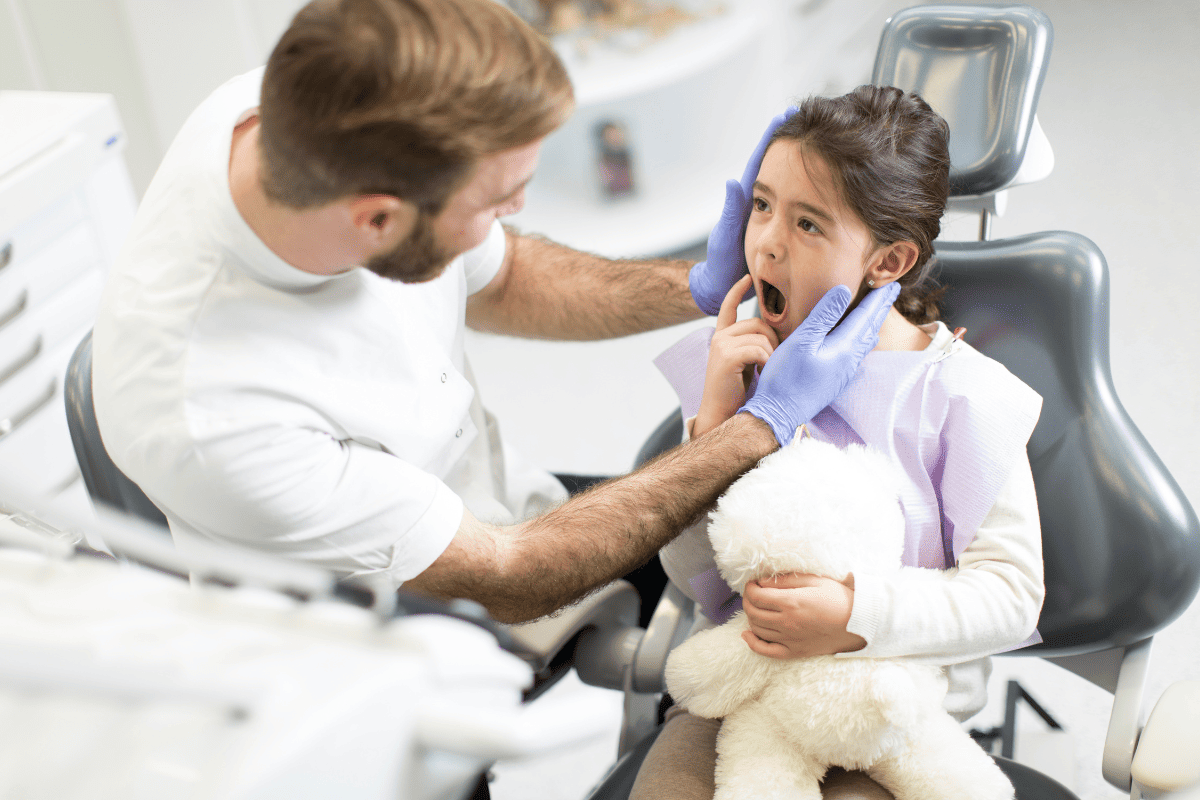
The first visit often begins with introductions and a chance for children to become comfortable in a new setting. Friendly interactions help build trust and encourage children to ask questions when they feel curious. A welcoming atmosphere can significantly influence how children view future appointments.
Reviewing Growth and Smile Development
The orthodontic evaluation focuses on how the teeth, jaws, and bite are developing. The team examines growth patterns and looks for signs of crowding, spacing concerns, or alignment issues that may require monitoring. This assessment creates a clearer picture of current development and future needs.
Discussing Findings With Parents
After the evaluation, parents receive information about their child’s smile development. Some children may simply need periodic monitoring. Others may benefit from interceptive orthodontic care or a space maintainer if recommended based on their individual needs. Families leave with guidance tailored to their child’s stage of growth. A first orthodontic evaluation follows a similar idea by introducing children to something new in a supportive environment.
Simple Ways to Help Kids Feel Comfortable
Small actions before and after the visit can help children develop positive feelings about orthodontic care:
- Let your child choose a favorite toy, book, or comfort item to bring along.
- Schedule the appointment during a time when your child is usually well rested and in a positive mood.
- Answer questions honestly while keeping explanations simple and reassuring.
- Praise cooperation and bravery rather than focusing only on outcomes.
- Avoid using dental visits as a consequence or punishment.
- Celebrate the experience afterward with a favorite family activity or special outing.
Some children become nervous when they feel pressured to behave perfectly. Encouragement creates a more positive experience. Recognizing effort and participation helps children develop confidence that extends into future appointments.
Keep the Experience Age Appropriate
Every child responds differently. Younger children may need simple explanations, while older children often appreciate more details. Tailoring conversations to a child’s age and personality can improve comfort and understanding. A first orthodontic visit can feel much the same when parents present it as an opportunity to learn rather than something to worry about.
Supporting Healthy Smile Development Beyond the First Visit
The first evaluation is only one step in a child’s oral health journey. Consistent habits at home continue to support healthy growth:
Encourage Strong Daily Habits Given By An Oral Care Provider
Good brushing and flossing habits support healthy teeth and gums throughout childhood. Consistent routines also help children understand that caring for their smile is an important part of overall wellness. A healthy foundation benefits future orthodontic outcomes as well.
Monitor Changes as Your Child Grows
Children experience significant growth throughout childhood. Teeth continue to emerge, jaw structures develop, and bite relationships change over time. Monitoring these changes helps ensure developing concerns receive attention when necessary.
Maintain Regular Professional Evaluations
Routine evaluations allow the dentist to track developmental progress and identify changes early. Consistent monitoring provides families with guidance that evolves alongside a child’s growth and individual needs. Whether recommendations involve observation, interceptive orthodontics, or other developmental support, regular evaluations help families stay informed.
Helping Your Child Start Their Smile Journey With Confidence
Preparing for a first orthodontic visit does not need to feel overwhelming. Simple conversations, positive expectations, and a basic understanding of what happens during the appointment can make the experience far more comfortable for children and parents alike. Early evaluations provide valuable insight into smile development and help families make informed decisions about future care.
If you are looking for a kids’ orthodontist in Asheville, visit our dental clinic. At Best Bites Dental, we provide thoughtful evaluations focused on healthy growth, comfort, and personalized guidance. Schedule a visit today and learn how early orthodontic care can support your child’s developing smile for years to come.
Frequently Asked Questions
What signs suggest a child may benefit from an orthodontic evaluation?
Crowded teeth, difficulty biting, prolonged thumb sucking, and noticeable spacing concerns may indicate the need for an evaluation. Early assessment helps identify developmental patterns and determine whether monitoring or intervention may be beneficial.
Can an orthodontic evaluation happen even if baby teeth remain?
Yes. Many evaluations occur while children still have a mix of baby and permanent teeth. This stage often provides important information about growth patterns, bite development, and future tooth eruption.
Is every child who receives an evaluation advised to begin treatment?
No. Many children simply require periodic monitoring. The purpose of an early evaluation is to understand development and determine whether any concerns should be observed as growth continues.
How long does an initial orthodontic consultation usually take?
The length varies based on individual needs. Most appointments provide enough time for an examination, discussion of findings, and answers to parents’ questions without feeling rushed.
Can oral habits affect how teeth and jaws develop?
Yes. Habits such as prolonged thumb sucking or tongue positioning patterns may influence tooth alignment and bite development. Early evaluation helps identify whether these habits are affecting growth.
Why is monitoring growth important during childhood?
Children experience ongoing changes in tooth eruption and jaw development. Regular monitoring allows professionals to observe these changes and provide guidance that supports healthy smile development as children grow.