
Choosing Between Fluoride Treatments and Sealants for Kids’ Smiles
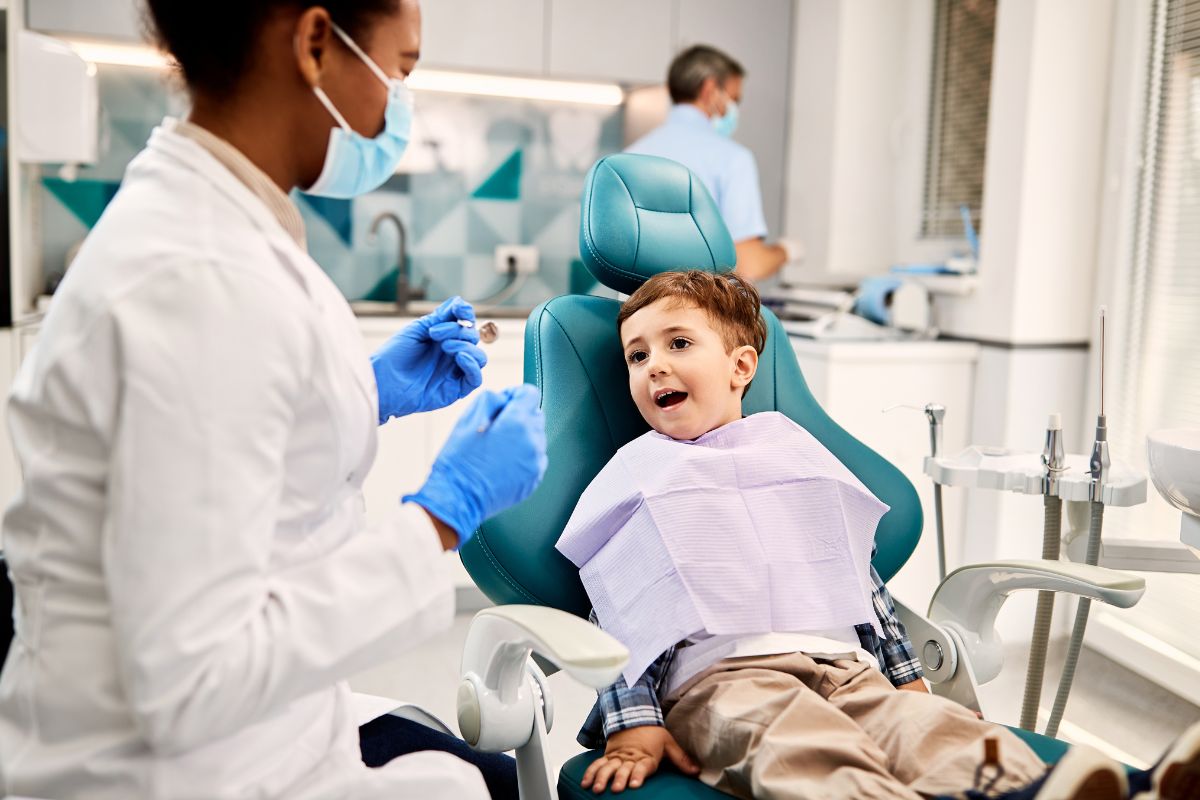
As a parent, you want to do everything you can to protect your child’s smile. Brushing and flossing are essential, but sometimes extra protection is needed to keep cavities away. That’s where fluoride treatments and dental sealants come in. Both are effective at preventing tooth decay, but they work in different ways. Understanding the differences can help you decide what’s best for your child.
If you’ve been searching for guidance from a trusted kids dentist in Asheville, NC, this guide will walk you through how each option works, when they’re recommended, and why they matter.
What Is a Fluoride Treatment?
Fluoride is a natural mineral that strengthens tooth enamel and makes it more resistant to decay. While most children get some fluoride from drinking water and toothpaste, professional fluoride treatments offer a higher concentration for added protection.
During a dental visit, the fluoride is applied as a gel, foam, or varnish. It takes just a few minutes and is completely painless. The treatment helps to:
- Strengthen developing teeth
- Protect against early cavities
- Replenish minerals in weakened enamel
Fluoride is especially helpful for children who may not always brush perfectly or who are prone to cavities.
What Are Dental Sealants?
Dental sealants are thin, protective coatings applied to the chewing surfaces of back teeth, where most cavities in children occur. Molars have deep grooves that are hard for little ones to clean thoroughly, even with daily brushing.
Sealants act like a shield, blocking out food particles and bacteria that can lead to decay. The application is quick, painless, and non-invasive. Once applied, sealants can last for several years before needing a touch-up.
Sealants are most commonly recommended for:
- Children as soon as their permanent molars come in (around ages 6–12)
- Kids with deep grooves in their teeth
- Children who are at higher risk of cavities
Fluoride vs. Sealants: What’s the Difference?
Both treatments aim to prevent cavities, but they work in different ways:
- Fluoride protects the entire tooth surface by strengthening enamel.
- Sealants provide a barrier specifically for the chewing surfaces of molars.
Think of fluoride as a vitamin for teeth and sealants as a protective raincoat. Many children benefit from having both, depending on their dental needs.
How to Decide What’s Best for Your Child
When deciding between fluoride treatments and sealants, your kids dentist Asheville NC will look at factors such as:
- Age and stage of tooth development
- Cavity history
- Risk factors like diet and oral hygiene habits
- Whether permanent molars have erupted
For many children, a combination of both treatments offers the strongest protection against decay.
Why Preventive Care Matters
Tooth decay is one of the most common chronic conditions in children, but it’s also highly preventable. Preventive treatments like fluoride and sealants can save families from the stress of fillings, dental pain, and missed school days.
More importantly, they set kids up for a lifetime of healthy dental habits and positive experiences at the dentist.
Final Thoughts
Fluoride treatments and dental sealants are two of the best ways to keep kids’ teeth strong and cavity-free. While fluoride strengthens enamel across all teeth, sealants provide targeted protection for molars. In many cases, children benefit from both.
The right choice depends on your child’s individual needs, which can be determined during a visit with a trusted kids dentist in Asheville.
Protect Your Child’s Smile Today
If you want to learn more about cavity prevention for your child, schedule a visit with Best Bites Dental in Asheville, NC. Their team can help you understand the benefits of fluoride and sealants and guide you toward the best care plan for your child’s smile.