Fluoride Toothpaste for Toddlers: Is It Safe?
Choosing the right toothpaste for your toddler can be overwhelming, especially with all the different options on the market. Among the biggest concerns parents face is whether fluoride toothpaste is safe for their little ones. Fluoride is known for its benefits in preventing tooth decay, but when it comes to toddlers, questions often arise about its safety and appropriate use. In this blog, we will explore the safety of fluoride toothpaste for toddlers, its benefits, and how to use it correctly to ensure your child’s teeth stay healthy.
Understanding Fluoride and Its Role in Dental Health
Fluoride is a naturally occurring mineral that helps strengthen tooth enamel, the outer layer of teeth, making it more resistant to cavities. For decades, fluoride has been used in dental care products like toothpaste and mouth rinses, as well as added to public water supplies, to help reduce the risk of tooth decay.
For adults and older children, fluoride is an essential part of maintaining dental health. However, when it comes to toddlers, parents often wonder if fluoride toothpaste is necessary or if it poses any risks.
Why Fluoride Is Important for Toddlers
Even though baby teeth will eventually be replaced by permanent teeth, they play a critical role in your child’s overall development. They help with chewing, speech development, and maintaining the correct spacing for future permanent teeth. Keeping these teeth healthy is essential, and fluoride can play a significant role in preventing cavities even at this early stage.
Tooth decay is one of the most common childhood conditions, and using fluoride toothpaste can help protect your toddler’s teeth from early decay. Preventing cavities in baby teeth sets a foundation for healthier permanent teeth, helping to avoid future dental issues that can be both painful and costly to treat.
Is Fluoride Toothpaste Safe for Toddlers?
The short answer is yes, fluoride toothpaste is safe for toddlers when used correctly. The American Dental Association (ADA) and the American Academy of Pediatrics (AAP) both recommend using fluoride toothpaste as soon as the first tooth appears. However, the key is to use the correct amount and to supervise brushing to ensure it is done safely.
Here’s what you need to know about safely using fluoride toothpaste for toddlers:
- Use the Right Amount
For children under three years old, only a tiny smear of fluoride toothpaste is needed—about the size of a grain of rice. This small amount is sufficient to provide the protective benefits of fluoride without overexposure. - Supervise Brushing
Toddlers are not yet skilled at spitting out toothpaste, so it’s important for parents to supervise brushing to minimize the amount of toothpaste that gets swallowed. Guiding your child’s brushing routine helps ensure they use the right amount of toothpaste and develop good brushing habits early on. - Choose Age-Appropriate Toothpaste
Look for toothpaste that is specifically designed for young children. These toothpastes usually have a lower concentration of fluoride and come in mild, kid-friendly flavors that are less likely to cause discomfort or be overly enticing to swallow. - Teach Good Brushing Habits
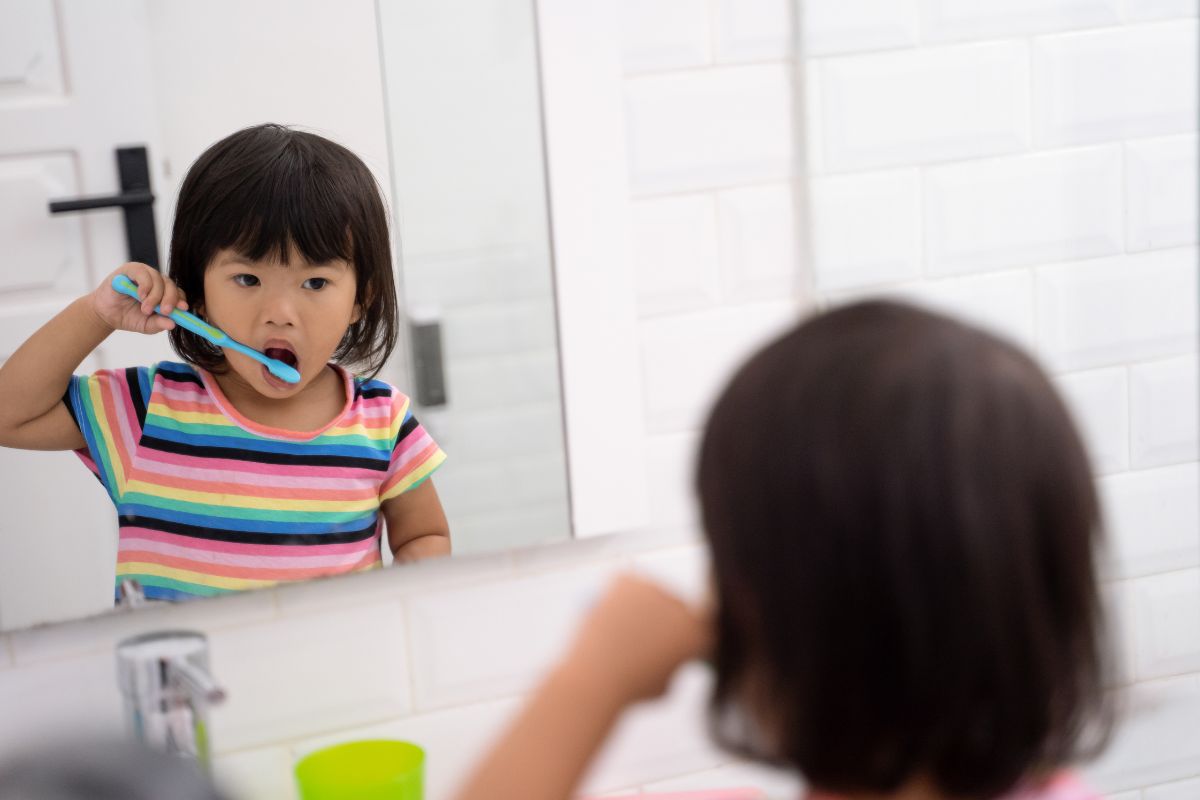
Encourage your child to brush twice a day, once in the morning and once before bed. Make it a fun routine by brushing alongside your child and using a soft-bristled, toddler-sized toothbrush that is easy for little hands to hold.
The Benefits of Fluoride Toothpaste for Toddlers
Using fluoride toothpaste offers several benefits for toddlers, helping to protect their teeth and set the stage for a lifetime of good oral health:
- Prevents Early Tooth Decay: Fluoride strengthens the enamel, making teeth more resistant to acid attacks from food and bacteria. This is especially important for toddlers who are just learning about dental hygiene.
- Promotes Stronger Teeth: Fluoride helps to remineralize areas of early decay, essentially reversing the damage before it turns into a cavity.
- Sets the Foundation for Healthy Permanent Teeth: By keeping baby teeth healthy, fluoride contributes to better spacing and alignment of permanent teeth, reducing the risk of future orthodontic problems.
Common Concerns About Fluoride Toothpaste for Toddlers
Some parents worry about the risk of dental fluorosis, a condition caused by excessive fluoride intake during the years when teeth are still developing. Fluorosis usually results in mild discoloration or faint white spots on teeth, and it’s typically a cosmetic concern rather than a health issue.
To minimize the risk of fluorosis, follow these tips:
- Stick to the Recommended Amount: Using only a smear of toothpaste is crucial for young children who are more likely to swallow rather than spit.
- Monitor Your Water Source: If you live in an area with fluoridated water, your toddler is already receiving some level of fluoride. Be aware of other fluoride sources such as certain foods and beverages.
- Educate Your Child on Brushing: As your toddler grows, teach them to spit out toothpaste and rinse after brushing. This habit will help minimize fluoride ingestion.
When to See a Kids Dentist in Asheville
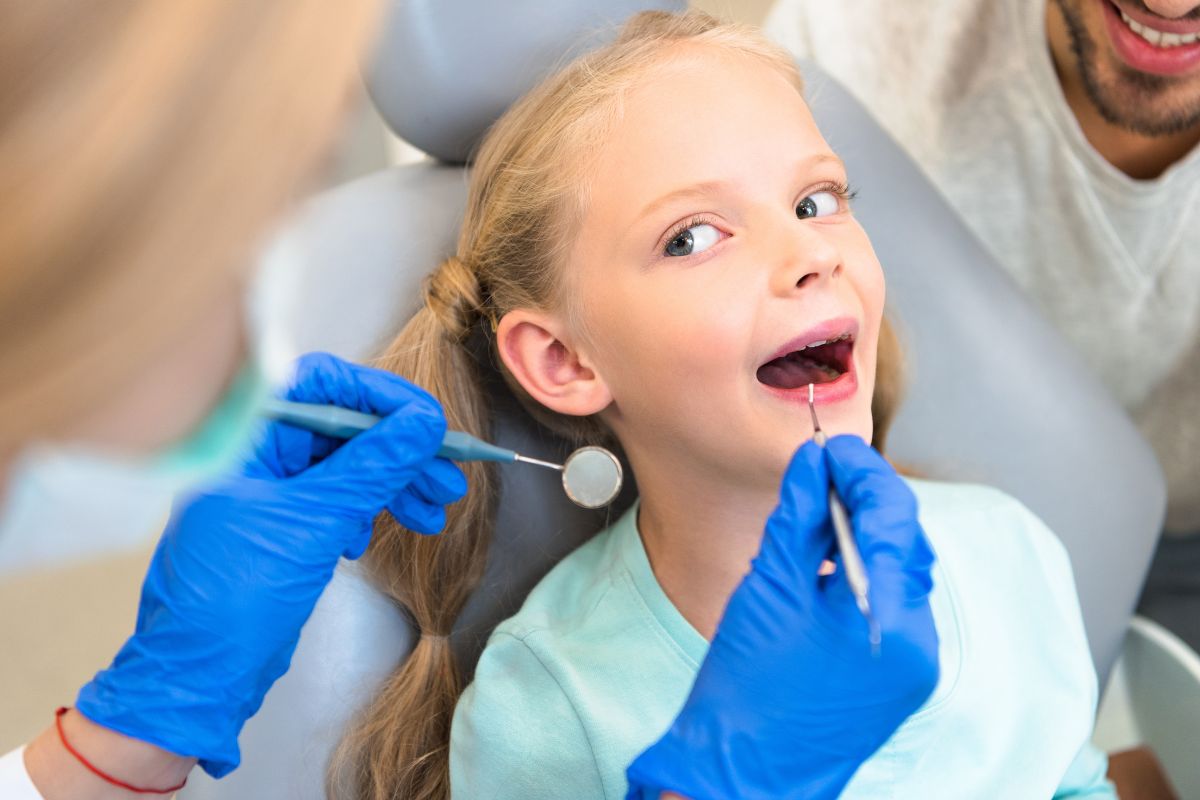
Regular visits to a kids dentist in Asheville are essential for monitoring your toddler’s dental health and ensuring their teeth are developing correctly. The first dental visit is recommended by the age of one or within six months after the first tooth appears. A pediatric dentist can offer guidance on fluoride use, brushing techniques, and any other concerns you may have about your child’s oral care.
Final Thoughts
Fluoride toothpaste is a safe and effective way to protect your toddler’s teeth from early decay. By using the right amount and supervising your child’s brushing, you can confidently incorporate fluoride toothpaste into their daily routine. Establishing these habits early will help your child develop a healthy relationship with oral care and set them up for a lifetime of bright, strong smiles.