How Sedation Dentistry Makes Dental Procedures Painless and Stress-Free
Do you fear the dentist? The sound of the drill, sharp tools, and pain can make you sweat. Discover sedation dentistry for a painless, stress-free experience. Learn how it can transform your dental visits into pleasant sessions. Relax and explore its benefits!
Types of Sedation Used in Dentistry
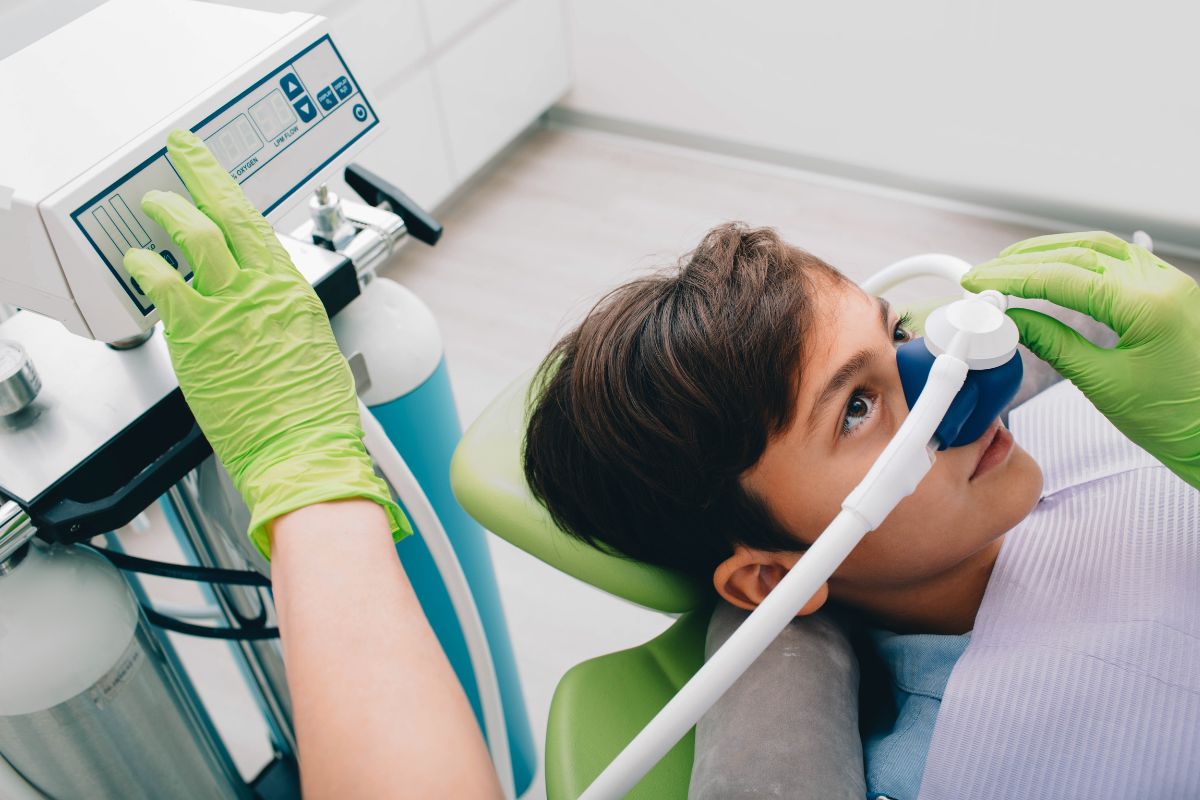
Dental anxiety is common, but sedation dentistry has transformed treatments to be painless and stress-free. There are various types of sedation, like nitrous oxide, oral conscious sedation, and intravenous sedation. Your dentist will choose the best one based on your needs and preferences.
Different sedation methods create a comfortable experience during procedures, even for complex cases. If fear or anxiety has been a barrier to dental care, talk to your dentist about these options.
Common Dental Procedures that Use Sedation
Sedation dentistry is a game-changer for painless and stress-free dental procedures, making it a lifeline for dental anxiety patients. It’s used for common procedures, like wisdom tooth extraction, root canal therapy, extensive work (e.g., multiple fillings, crown placements), and routine cleanings and exams. Sedation ensures comfort and relaxation throughout these treatments, benefiting anxious patients.
What to Expect During a Sedation Dental Procedure
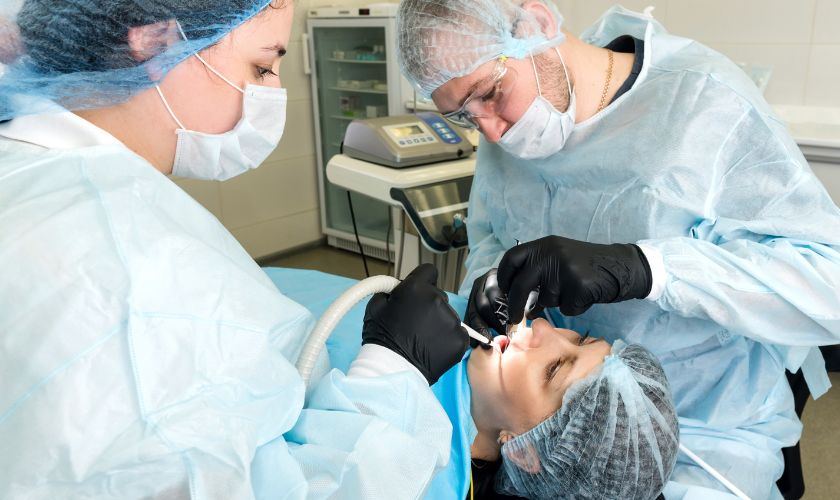
Sedation dentistry ensures a calm and anxiety-free experience for patients. Before the procedure, the dentist discusses the best sedation option for individual needs. Once the sedative takes effect, patients may feel drowsy, ensuring comfort and pain-free treatment while monitoring vital signs.
Patients under sedation won’t know the procedure, but rest assured, it’s painless and precise. Multiple procedures can be done in one visit, saving time and reducing stress. Afterward, you may experience lingering effects, so having a companion for the trip home is essential.
Sedation dentistry provides comfort and peace of mind, allowing patients to overcome their fears with the help of a caring professional.
Safety and Risks of Sedation Dentistry
While sedation dentistry offers numerous benefits, it is essential to consider the safety and potential risks associated with these procedures. Dental professionals are well-trained in administering sedation, ensuring comfort, and minimizing complications. However, it’s crucial to be aware of the following:
1. Allergic Reactions: Although rare, some individuals may have an adverse reaction to the medications used for sedation. Dentists take precautions by reviewing your medical history and monitoring you during the procedure.
2. Respiratory Issues: Certain sedation levels can temporarily affect breathing patterns. Your dentist will closely monitor your oxygen levels and adjust the dosage accordingly.
3. Nausea or Vomiting: Some patients may experience nausea or vomiting after undergoing dental procedures with sedation. Dentists mitigate this risk by advising fasting before the appointment and providing necessary anti-nausea medication.
4. Post-Sedation Disorientation: Depending on the type of sedative used, you may feel dizzy or disoriented after waking up from a dental procedure under sedation. It’s important to arrange transportation home as driving while still affected by medication can be dangerous.
To ensure a safe experience with minimal risks, always choose a reputable dentist experienced in administering various types of dental sedatives.
Related Articles

March 18, 20263