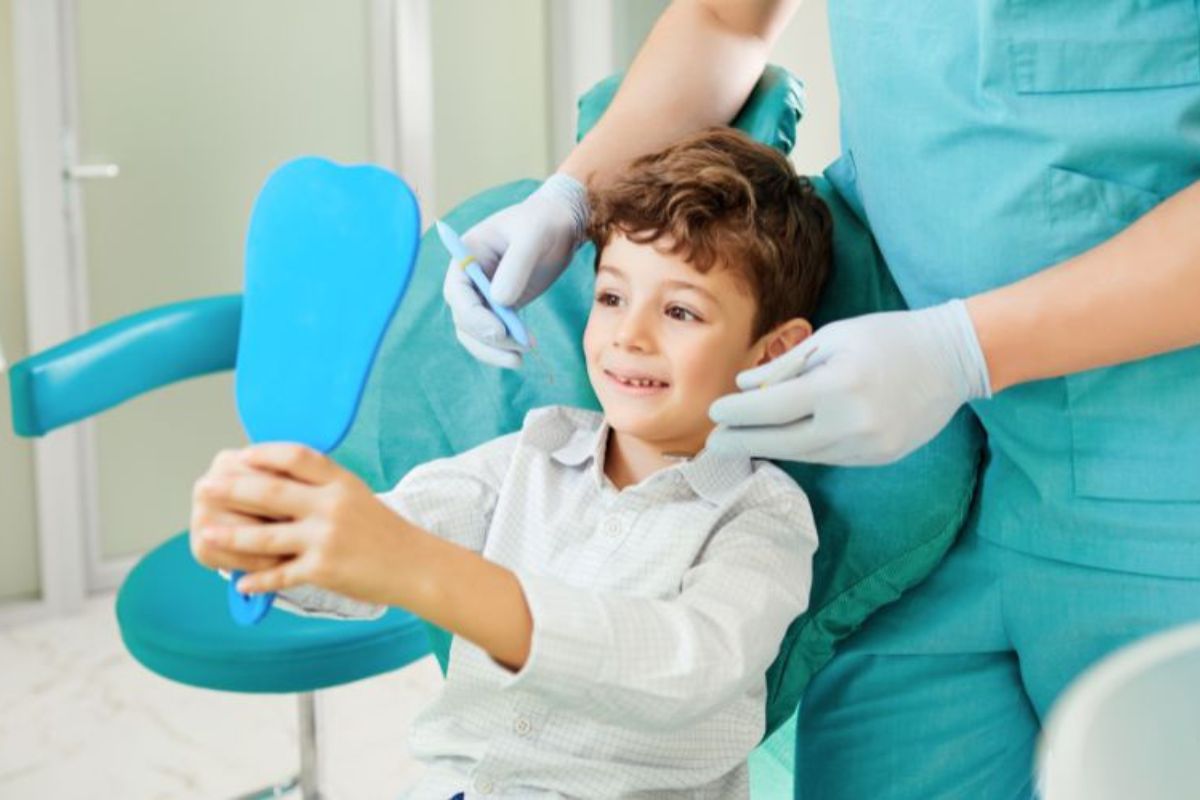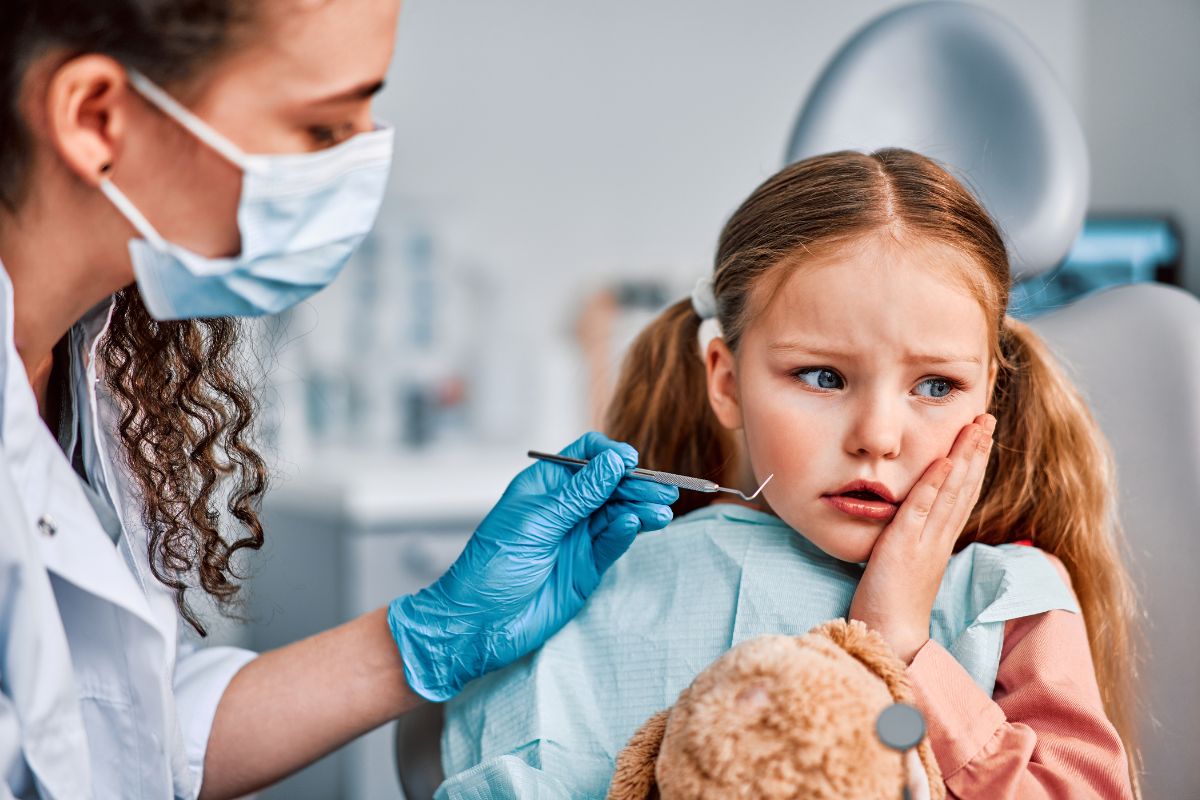
How to Comfort Your Child When They Begin to Lose Teeth
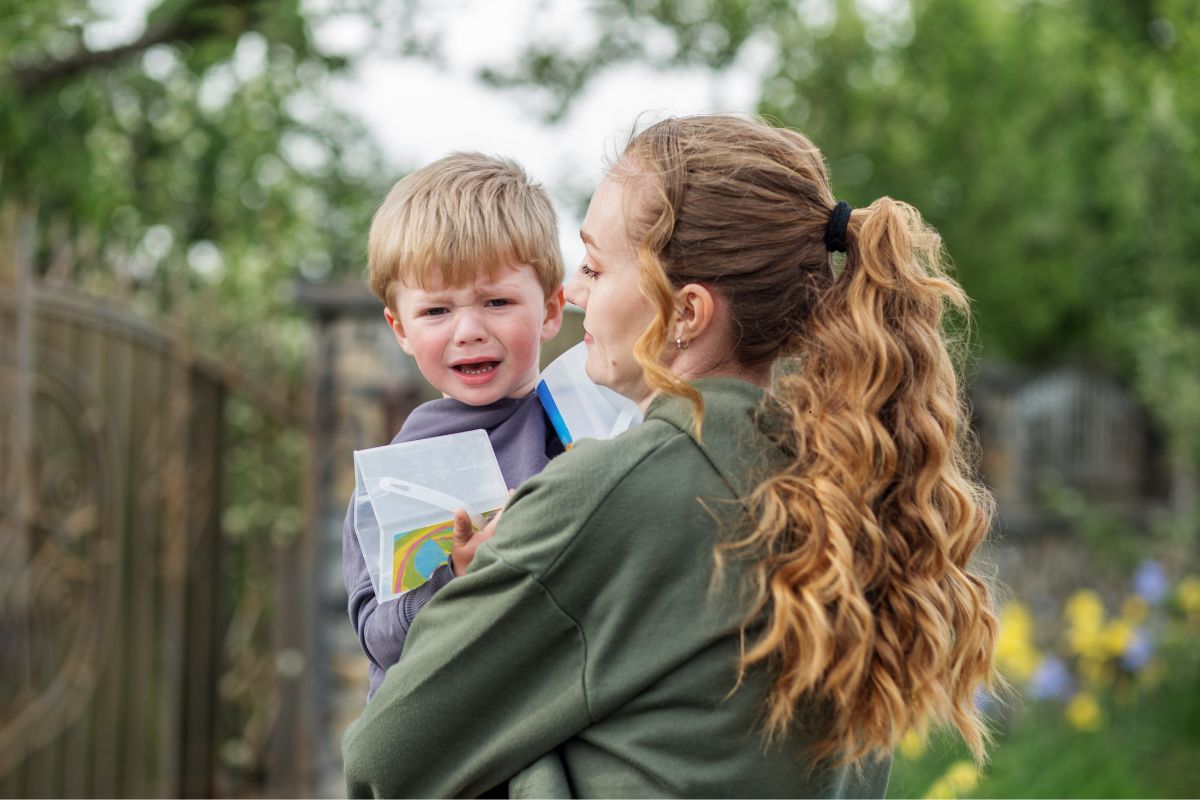
Losing their first tooth is a significant milestone for any child, marking the transition from baby teeth to adult teeth. While it’s an exciting development, it can also be a confusing and even frightening experience for young kids. As a parent, your role in comforting and guiding them through this process is crucial. Here’s a detailed guide on how to make this transition smoother for your child and help them feel more at ease.
Understanding the Tooth Loss Process
Before you can effectively comfort your child, it’s essential to understand what’s happening. Losing baby teeth is a natural part of growing up. Typically, children begin losing their teeth around age six, although this can vary. Baby teeth start to loosen as the roots dissolve, making way for permanent teeth to come in.
1. Reassure Your Child
One of the most important things you can do is to reassure your child that losing teeth is a normal part of growing up.
- Explain the Process: Talk to your child about what’s happening in simple terms. Let them know that it’s a sign they are growing up and that everyone goes through it.
- Share Your Own Experiences: Sharing stories from your own childhood about losing teeth can make the process seem more relatable and less frightening.
2. Create a Positive Experience
Transform the experience of losing a tooth into something positive and exciting.
- Celebrate the Milestone: Create a little celebration for each lost tooth. This could be a special treat, a small gift, or a fun activity that your child enjoys. Making it a special event can turn it into a happy occasion rather than a scary one.
- Use the Tooth Fairy Tradition: If your family follows the tradition of the Tooth Fairy, use it to add an element of fun. The Tooth Fairy can leave a small note along with a token gift to make the experience magical.
3. Maintain Good Oral Hygiene
It’s important to maintain good oral hygiene even as your child loses teeth.
- Continue Regular Brushing and Flossing: Make sure your child continues to brush and floss regularly. This helps keep their mouth clean and prevents any discomfort or infections in the area where the tooth was lost.
- Visit the Kid’s Dentist Regularly: Regular visits to the dentist are important to monitor your child’s dental health. A Kid’s Dentist in Asheville can provide guidance on what to expect during this phase and ensure their teeth and gums stay healthy.
4. Address Any Discomfort
Losing a tooth can sometimes cause discomfort. Here’s how you can help alleviate it:
- Encourage Soft Foods: If your child’s gums feel sore, encourage them to eat softer foods that are easier to chew. This can help avoid any pain or discomfort while eating.
- Use a Cold Compress: If there’s swelling or discomfort, applying a cold compress to the area can help soothe the pain.
5. Help with Loose Teeth
Sometimes, children can be anxious about a tooth that is loose but not coming out easily. Here’s how to help:
- Encourage Gentle Wiggling: Encourage your child to gently wiggle the loose tooth with their tongue or clean fingers. This can help the tooth come out more naturally.
- Avoid Force: Avoid pulling or forcing the tooth out. It’s best to let it come out on its own to prevent any potential issues or discomfort.
6. Provide Emotional Support
It’s not uncommon for children to feel nervous or anxious about losing their teeth. Providing emotional support can help:
- Be Patient and Understanding: Listen to your child’s concerns and validate their feelings. Let them know it’s okay to feel a little nervous or unsure.
- Offer Comfort: Provide comfort through hugs, kind words, and reassurance. Your support can help them feel more secure and less anxious about the process.
7. Prepare for the Next Steps
After the tooth falls out, there are a few additional steps to take:
- Keep the Tooth Safe: If you’re following the Tooth Fairy tradition, help your child place the tooth under their pillow carefully. Make sure it’s in a safe place where it won’t get lost.
- Inspect the Area: After the tooth is lost, check the area for any signs of discomfort or infection. If the gum looks red, swollen, or if there’s persistent pain, it’s a good idea to consult with your dentist.
8. Encourage Positive Dental Habits
Losing teeth is a great opportunity to reinforce positive dental habits.
- Teach About Permanent Teeth: Use this time to talk about the importance of taking care of their permanent teeth. Explain how proper brushing, flossing, and regular dental visits will help them keep their adult teeth healthy.
- Set a Good Example: Model good oral hygiene practices yourself. Children are more likely to follow good habits if they see their parents practicing them.
Frequently Asked Questions
At what age do children usually start losing their baby teeth?
Most children begin losing their baby teeth around age six, although the timing can vary from child to child. We often remind parents that every child’s dental development follows its own timeline.
Is it normal for a loose tooth to cause discomfort?
Yes. Mild tenderness or sensitivity around a loose tooth is common as the tooth naturally prepares to fall out and make room for a permanent tooth.
Should my child pull out a loose tooth?
In most cases, it is best to allow a loose tooth to come out naturally. Gentle wiggling is usually enough, while forcing a tooth out too early may cause unnecessary discomfort.
How can we help keep our child’s mouth healthy during this stage?
We encourage children to continue brushing twice a day, flossing regularly, and maintaining good oral hygiene habits as their permanent teeth begin to emerge.
What should we expect after a baby tooth falls out?
A small amount of bleeding is normal after a baby tooth falls out. Keeping the area clean and following good oral hygiene practices can help support a smooth transition as the permanent tooth begins to erupt.
Conclusion
Helping your child navigate the process of losing their teeth can be a rewarding experience. By offering reassurance, creating positive associations, maintaining good oral hygiene, and providing emotional support, you can help make this transition a smooth and enjoyable part of their growth.
If you have concerns about your child’s dental health or need guidance, don’t hesitate to visit a Kid’s Dentist in Asheville. They can provide expert advice and ensure your child’s dental development is on track.
By staying supportive and involved, you’ll help your child feel confident and comfortable as they experience this important milestone in their life. Book your appointment today!