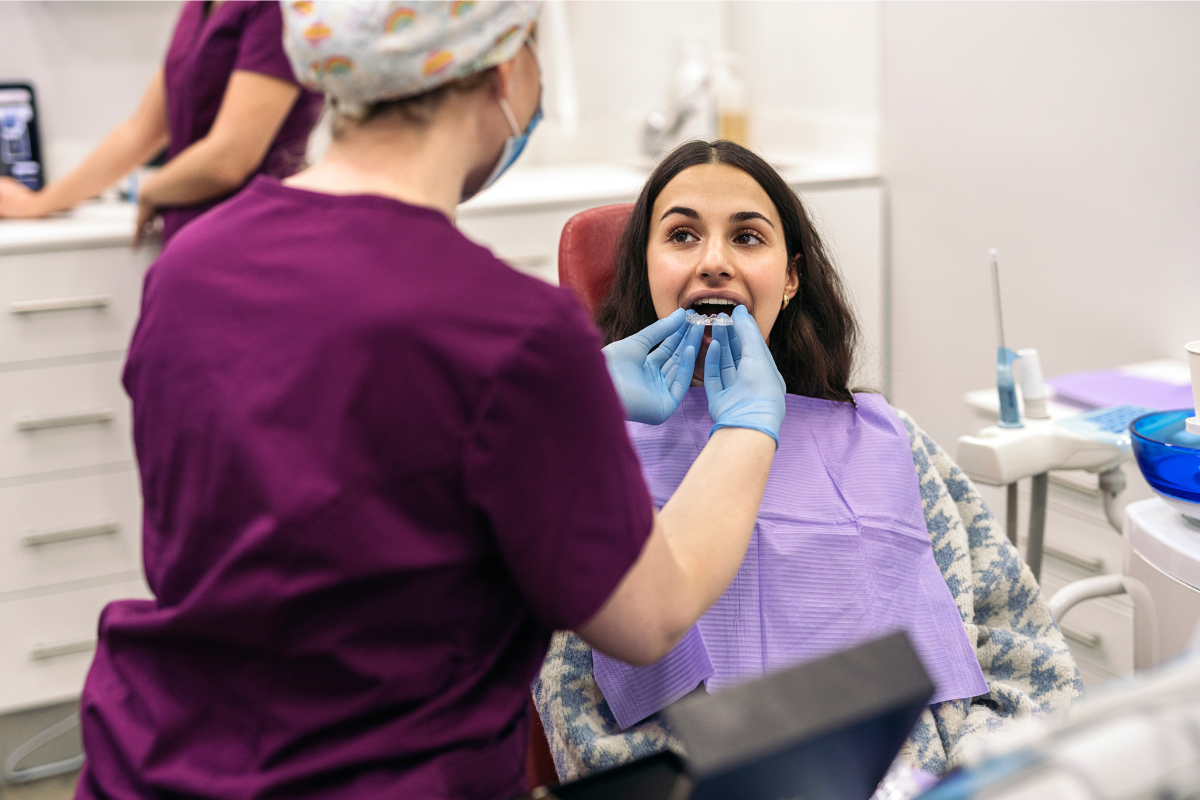
How Interceptive Orthodontics Can Prevent Bigger Dental Problems Later

As parents, we all want to give our children the healthiest possible start, including a healthy, confident smile. One of the most common misconceptions we hear is that orthodontic treatment doesn’t begin until the teenage years. While traditional braces are often placed later, many orthodontic concerns actually begin much earlier as your child’s teeth and jaws develop.
At Best Bites Dental, we believe that identifying orthodontic concerns early can make a significant difference in your child’s long-term oral health. By recognizing developing issues before they become more complex, we can often guide healthy jaw growth, improve bite alignment, and reduce the need for more extensive treatment in the future.
If you’ve been researching Interceptive Orthodontics Asheville, you’re already taking an important step toward protecting your child’s smile. Early orthodontic care isn’t about rushing into braces, it’s about knowing when intervention can provide the greatest benefit while your child’s mouth is still growing.
What Is Interceptive Orthodontics?
Interceptive orthodontics, often called early orthodontic treatment, focuses on guiding the development of your child’s teeth and jaws while they are still growing.
Instead of waiting until all permanent teeth have erupted, we evaluate your child’s oral development during the early years to identify concerns that may become more complicated if left untreated.
Our goal is simple: to address developing problems at the right time so your child’s smile has the best opportunity to grow properly.
Interceptive orthodontics may help with concerns such as:
- Jaw growth differences
- Bite alignment issues
- Crowded teeth
- Spacing concerns
- Improper tooth eruption
- Harmful oral habits like thumb sucking or tongue thrusting
Not every child needs treatment, but early evaluations allow us to monitor development and recommend care when it’s most beneficial.
Why We Recommend Early Orthodontic Evaluations
The American Association of Orthodontists recommends that children receive an orthodontic evaluation around age seven.
At this stage, several important changes are taking place:
- Permanent teeth are beginning to emerge.
- Jaw growth patterns become easier to evaluate.
- Bite problems often become more noticeable.
- Early intervention may be more effective than waiting until later.
Even if your child doesn’t need treatment right away, these early visits give us the opportunity to monitor growth and identify developing concerns before they become more difficult to correct.
Many orthodontic problems aren’t obvious to parents during the early stages, which is why routine evaluations are so valuable.
Common Orthodontic Problems We Can Identify Early
Every child’s smile develops differently. During an orthodontic evaluation, we look for signs that may indicate future concerns if left untreated.
Crowded Teeth
One of the most common issues we see is crowding.
When there isn’t enough space for permanent teeth to erupt properly, teeth may become crooked, overlap one another, or emerge outside their ideal position.
Crowding can make it more difficult for children to:
- Brush effectively
- Floss between teeth
- Keep plaque under control
- Maintain healthy gums
By evaluating spacing early, we may be able to create additional room while the jaws are still developing, helping permanent teeth erupt in healthier positions.
Crossbites
A crossbite occurs when some upper teeth bite inside the lower teeth rather than outside them.
While this may seem like a small issue, untreated crossbites can affect how the jaws grow over time.
Potential concerns include:
- Uneven jaw development
- Excessive tooth wear
- Difficulty chewing
- Jaw discomfort
- Facial asymmetry
Early treatment often allows us to guide jaw growth before these problems become more pronounced.
Overbites and Underbites
The way the upper and lower jaws fit together plays an important role in both oral function and facial development.
Children with significant bite discrepancies may experience:
- Difficulty biting into foods
- Speech challenges
- Uneven tooth wear
- Increased pressure on the jaw joints
Because children’s jaws are still growing, early intervention may help improve bite relationships while development is ongoing.
Harmful Oral Habits
Certain childhood habits can influence the way teeth and jaws develop.
Some of the most common include:
- Thumb sucking
- Prolonged pacifier use
- Tongue thrusting
- Mouth breathing
While many children naturally outgrow these habits, those that continue beyond the early years may begin affecting tooth alignment and jaw growth.
Part of our role is helping families understand when these habits are no longer developmentally appropriate and discussing strategies to minimize their long-term impact.
Teeth That Don’t Erupt Properly
Sometimes permanent teeth don’t erupt where or when they should.
We monitor eruption patterns carefully because delayed, blocked, or misaligned teeth can sometimes lead to crowding or other orthodontic concerns later.
Identifying these issues early often gives us more treatment options than waiting until adolescence.
Benefits of Interceptive Orthodontics
One of the biggest advantages of early orthodontic care is that we’re working with a growing smile.
Because children’s jaws are still developing, certain concerns may be easier to correct than they would be later in life.
Supporting Healthy Jaw Development
Interceptive orthodontics isn’t just about straightening teeth.
Many early treatments are designed to encourage balanced jaw growth, which supports:
- Better bite function
- Improved chewing
- Balanced facial development
- Proper alignment of permanent teeth
Helping Create Space for Permanent Teeth
When baby teeth are lost too early or jaw growth is limited, permanent teeth may not have enough room to erupt correctly.
Early orthodontic treatment may help preserve or create the space needed for incoming permanent teeth, reducing the severity of crowding later.
Improving Everyday Oral Hygiene
Straighter, properly aligned teeth are generally easier to brush and floss.
Good alignment may help reduce the risk of:
- Tooth decay
- Plaque buildup
- Gum inflammation
- Areas that are difficult to clean
Developing healthy oral hygiene habits is especially important during childhood, and proper alignment can make those habits easier to maintain.
Building Confidence Early
We often see children become more confident as their smiles improve.
Whether it’s correcting protruding front teeth or addressing noticeable bite concerns, early treatment can help children feel more comfortable smiling, speaking, and interacting with others.
Our goal is always to support both healthy smiles and healthy self-confidence as children grow.
What Types of Interceptive Orthodontic Treatments Might Be Recommended?
Every child is different, which means every treatment plan is personalized.
Depending on your child’s needs, we may recommend one or more orthodontic appliances designed to guide healthy growth and development.
Some of the most common options include:
Palatal Expanders
Palatal expanders gently widen the upper jaw to improve alignment and create additional space.
They are commonly used to:
- Correct crossbites
- Reduce crowding
- Improve jaw balance
- Support healthy tooth eruption
Because the upper jaw is still developing during childhood, expansion is often much easier at a younger age than later in life.
Space Maintainers
If a baby tooth is lost earlier than expected, neighboring teeth may begin drifting into the empty space.
Space maintainers help preserve that space until the permanent tooth is ready to erupt, reducing the likelihood of crowding or alignment problems.
Partial Braces
Some children benefit from limited orthodontic treatment that focuses only on specific teeth rather than the entire smile.
Partial braces may help guide tooth movement during critical stages of development while preparing for future treatment if needed.
Habit Appliances
Some children continue habits like thumb sucking or tongue thrusting longer than expected. While these habits are common during early childhood, they can begin to affect tooth alignment and jaw development if they persist.
When appropriate, we may recommend habit appliances that gently discourage these behaviors while supporting healthier oral development.
Growth Guidance Appliances
In some cases, specialized orthodontic appliances can help guide jaw growth as your child develops.
These appliances are designed to improve the relationship between the upper and lower jaws, encourage balanced facial development, and address bite concerns while growth is still occurring.
After a comprehensive evaluation, we’ll explain every recommendation, answer your questions, and create a treatment plan that’s tailored specifically to your child’s needs.
Signs Your Child May Benefit from Interceptive Orthodontics
Many orthodontic concerns develop gradually, making them difficult for parents to recognize at first.
We encourage parents to schedule an evaluation if they notice any of the following:
- Crowded or overlapping teeth
- Baby teeth that are lost unusually early or remain longer than expected
- Difficulty chewing or biting food
- Frequent mouth breathing
- Thumb sucking beyond the toddler years
- Teeth that don’t seem to fit together properly
- Jaw shifting, popping, or clicking
- Speech difficulties
- Front teeth that protrude significantly
These signs don’t always mean your child needs immediate treatment, but they do indicate it’s a good time for us to evaluate how their smile is developing.
Does Every Child Need Early Orthodontic Treatment?
Not at all.
One of the biggest misconceptions about interceptive orthodontics is that every child who has an early evaluation will automatically need treatment.
In reality, many children simply benefit from regular monitoring.
If we don’t see any concerns that require immediate attention, we’ll continue watching your child’s growth during routine dental visits. This allows us to recommend treatment only if the timing is right and it will truly benefit their long-term oral health.
Our philosophy is simple—we never recommend treatment unless we believe it will make a meaningful difference.
Interceptive Orthodontics vs. Traditional Braces
Parents often ask how interceptive orthodontics differs from braces.
While both are designed to improve your child’s smile, they serve different purposes and are often used at different stages of development.
Interceptive Orthodontics Focuses On:
- Guiding jaw growth
- Improving bite relationships
- Creating space for permanent teeth
- Addressing developing orthodontic concerns
- Preventing more complex problems later
Traditional Braces Typically Focus On:
- Straightening permanent teeth
- Refining bite alignment
- Improving overall tooth positioning
- Completing the final stages of orthodontic treatment
Some children who receive early orthodontic care may still need braces during their teenage years. However, early intervention can often make future treatment shorter, simpler, and less complicated.
How Early Treatment May Reduce Future Orthodontic Needs
One of the biggest advantages of interceptive orthodontics is that it allows us to work with your child’s natural growth instead of waiting until development is complete.
By addressing concerns at the right time, we may be able to reduce the likelihood of more extensive procedures later.
Depending on the situation, early treatment may help lower the need for:
- Permanent tooth extractions
- Lengthy orthodontic treatment
- More significant bite correction
- Complex jaw-related procedures
While every child’s needs are different, early intervention often provides opportunities that simply aren’t available once growth has finished.
Supporting Healthy Smile Development at Home
Parents play an important role in helping children maintain healthy smiles between visits.
Simple daily habits can make a lasting difference in both oral health and orthodontic development.
We encourage families to:
- Help children brush twice each day
- Make flossing part of the daily routine
- Limit sugary snacks and drinks
- Encourage drinking plenty of water
- Monitor thumb sucking or prolonged pacifier use
- Keep routine dental appointments
- Encourage children to chew a balanced, healthy diet
These habits work together with professional dental care to support healthy teeth and jaw development.
Why Families Trust Best Bites Dental
At Best Bites Dental, we understand that every child develops differently.
That’s why we take a personalized approach to interceptive orthodontics. Rather than recommending the same treatment for every patient, we carefully evaluate your child’s growth, bite, and developing smile before discussing the options that best fit their individual needs.
Our team is committed to creating a positive, child-friendly experience where both parents and children feel informed, comfortable, and confident throughout every stage of care.
Whether your child needs early treatment or simply ongoing monitoring, we’re here to help guide their smile as they grow.
Frequently Asked Questions
At what age should my child have an orthodontic evaluation?
We generally recommend an orthodontic evaluation around age seven. Even if no obvious problems are present, this allows us to monitor jaw growth and tooth development while there are still opportunities for early intervention if needed.
Will interceptive orthodontics eliminate the need for braces?
Not always. Some children may still benefit from braces during adolescence, but early treatment can often reduce the complexity and length of future orthodontic care.
Is interceptive orthodontic treatment uncomfortable?
Most children adjust very quickly to orthodontic appliances. Any initial discomfort is typically mild and temporary as they become accustomed to the appliance.
How long does early orthodontic treatment usually last?
Treatment varies depending on your child’s individual needs and the type of appliance being used. Some children require only a few months of treatment, while others may benefit from a longer period of guided growth.
Can early orthodontic treatment improve jaw development?
Yes. One of the primary goals of interceptive orthodontics is to guide jaw growth while children are still developing, helping create healthier bite relationships and supporting long-term oral function.
Give Your Child’s Smile the Best Start
Your child’s smile is constantly changing as they grow, and the early years often provide valuable opportunities to guide that development. Identifying orthodontic concerns before they become more complex can help support healthier jaw growth, improve bite alignment, and create a stronger foundation for a lifetime of confident smiles.
At Best Bites Dental, we’re committed to helping families make informed decisions about their children’s oral health. Whether your child needs early orthodontic treatment or simply routine monitoring, we’ll take the time to explain every recommendation and develop a personalized plan that supports their long-term smile.
If you’re considering Interceptive Orthodontics Asheville for your child or have questions about their developing bite, we’re here to help. Schedule an orthodontic consultation today and let us partner with you in protecting your child’s smile for years to come.