Is Sedation Dentistry Safe for a 4-Year-Old Child?

For many parents, taking a young child to the dentist can be stressful, especially if the child is anxious or needs a more involved procedure. Sedation dentistry is sometimes recommended to help kids stay calm and comfortable during treatment. But is it safe for a 4-year-old? The short answer is yes, when done by an experienced sedation dentist who follows proper safety protocols.
At Best Bites Dental in Asheville, NC, we frequently work with young patients who need a little extra help feeling relaxed in the chair. Here’s what parents should know about sedation options for children and how we keep the process safe.
Why Sedation Dentistry Is Sometimes Needed for Kids
It’s normal for children to feel nervous about visiting the dentist, but some kids have a strong fear that makes even simple cleanings difficult. Sedation can help:
- Reduce anxiety and make the experience less stressful
- Allow the dentist to complete treatment safely and efficiently
- Prevent trauma from negative dental experiences at a young age
- Help children who have trouble sitting still or following instructions
When a child needs fillings, extractions, or other procedures, sedation can be the key to a smooth and positive experience.
Types of Sedation for Young Children
There are several types of sedation commonly used for kids, each chosen based on the child’s needs and the complexity of treatment:
Nitrous Oxide (Laughing Gas)
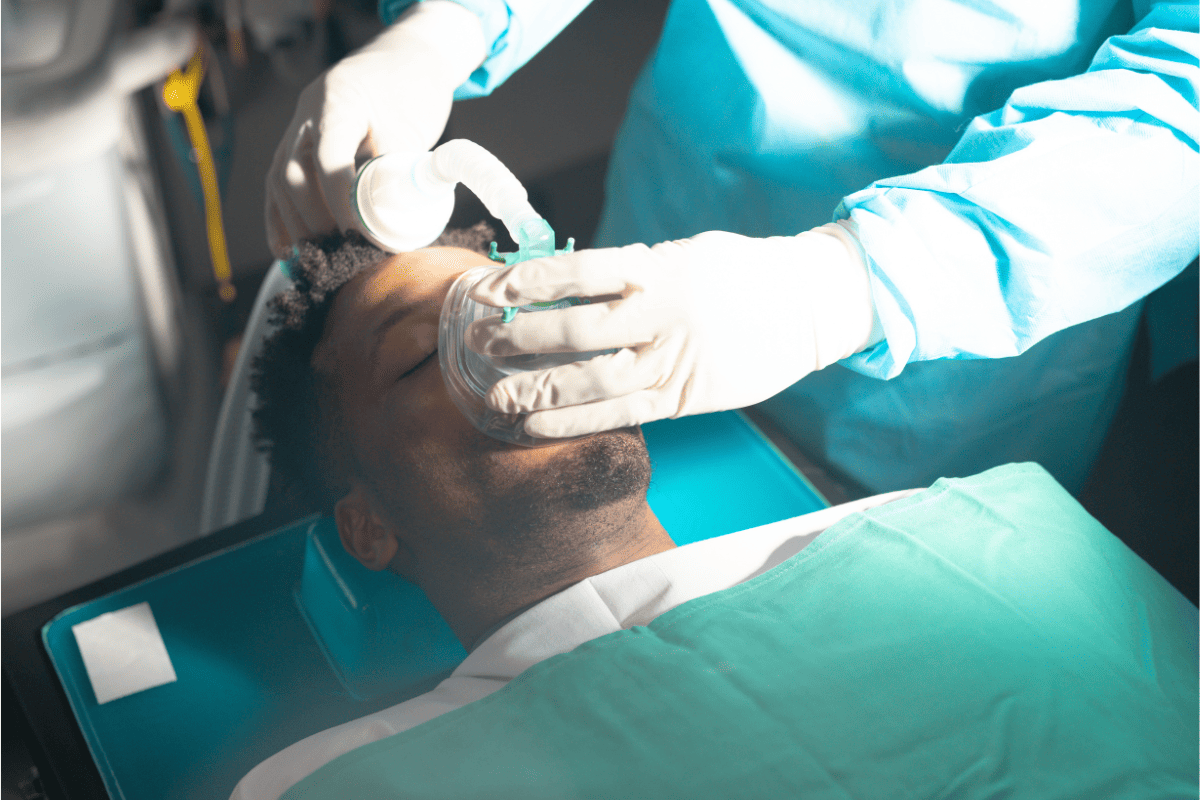
This is the most common option for children. It’s a very mild sedative that helps your child relax while staying awake and responsive. The effects wear off quickly once the gas is turned off, allowing kids to return to normal activities soon after their visit.
Oral Sedation
For slightly more anxious children or longer procedures, an oral sedative may be given. This medication makes children drowsy but still responsive. They may not remember much about the procedure afterward, which can be helpful for preventing fear in the future.
IV Sedation or General Anesthesia
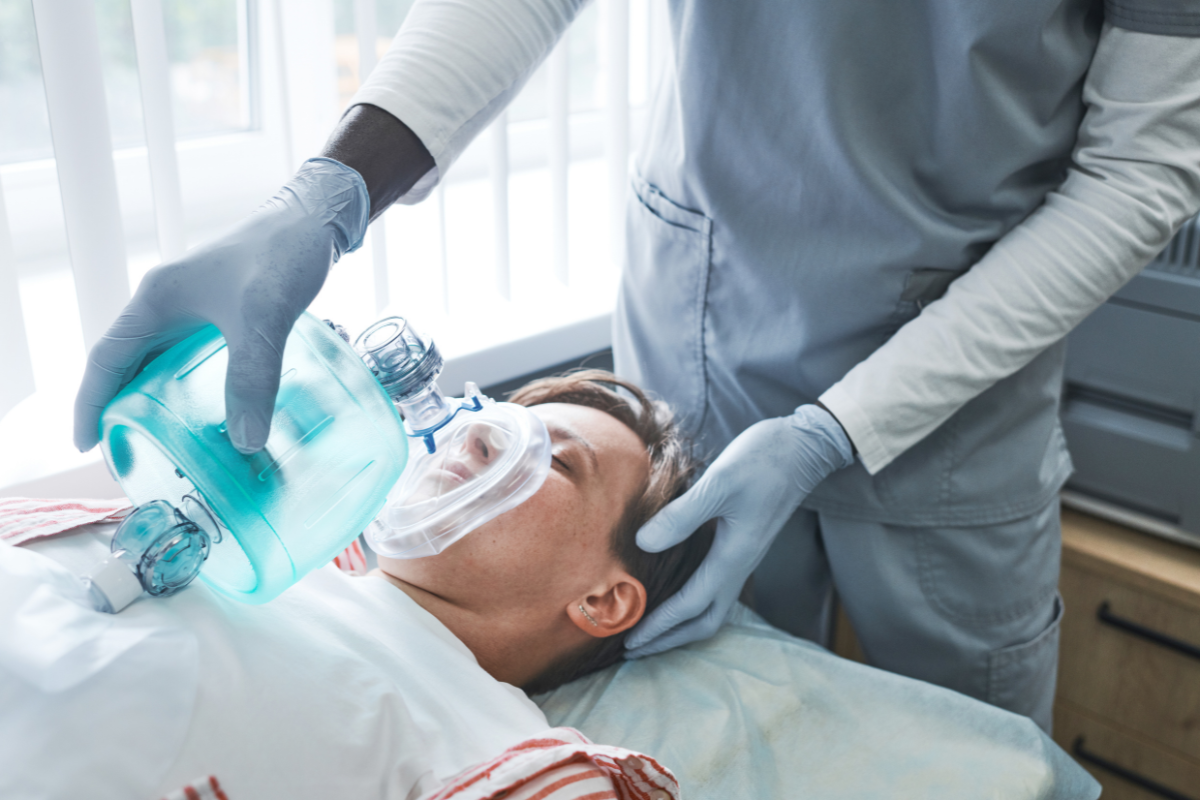
Reserved for more complex cases or children with special needs, IV sedation or general anesthesia is administered by trained professionals, often in a hospital or surgical setting. This ensures your child is fully monitored for safety throughout the procedure.
Safety Considerations for a 4-Year-Old
Parents often worry about the risks of sedation for children this young. The good news is that when performed by a qualified sedation dentist, the process is considered very safe.
Here’s how safety is prioritized:
- Comprehensive health review: Your child’s medical history, allergies, and current medications are carefully reviewed before any sedation is recommended.
- Weight-based dosing: The sedative dose is calculated based on your child’s weight and adjusted precisely.
- Continuous monitoring: Heart rate, oxygen levels, and breathing are monitored throughout the procedure.
- Well-trained team: A sedation dentist in Asheville will have the training and equipment necessary to handle any unexpected situation.
How Parents Can Prepare
You can help make the appointment smoother by following pre-sedation instructions carefully. Your child may need to avoid eating or drinking for a certain period before the visit. Talk to your dentist about what to expect during and after the procedure so you can be ready to support your child at home during recovery.
What to Expect After the Procedure
Most children recover quickly from sedation, especially with nitrous oxide. Some may feel a little drowsy for a few hours after oral or IV sedation. It’s best to plan a quiet day at home so your child can rest and fully recover before returning to school or play.
Frequently Asked Questions
How do we determine if sedation dentistry is right for a child?
Our team evaluates factors such as your child’s age, comfort level, treatment needs, and medical history to determine whether sedation dentistry is an appropriate option.
How should I prepare my child for a sedation dentistry appointment?
We provide detailed pre-appointment instructions, which may include guidelines regarding food, beverages, and medications to help ensure a safe and comfortable experience.
How long does it take for a child to recover from dental sedation?
Recovery time depends on the type of sedation used, but many children can return to their normal activities within a day.
Can my child eat after sedation dentistry?
Once your child is fully awake and alert, we typically recommend starting with soft foods and plenty of fluids before gradually returning to a normal diet.
What should I expect after my child’s sedation appointment?
It is normal for some children to experience temporary drowsiness, grogginess, or mild nausea as the effects of sedation wear off. Our team provides post-treatment instructions to help support a smooth recovery.
Conclusion
Sedation dentistry can be a safe and effective way to help 4-year-olds get the dental care they need without fear or stress. With proper evaluation, careful monitoring, and a qualified team, the risks are minimal and the benefits significant for both your child’s comfort and long-term oral health.
If your child struggles with dental anxiety or needs treatment that might be difficult without extra support, schedule a consultation with Best Bites Dental in Asheville, NC. Our experienced team will review your child’s health history, explain the safest sedation options, and help you make an informed decision so your little one can enjoy a healthy, stress-free smile.