Kid’s Dental Care: Ideal Brushing Time for Growing Smiles
When it comes to children’s dental care, brushing is one of the most crucial steps for a healthy smile. Yet, knowing how long your child should spend brushing each day can sometimes feel a bit confusing. Most parents understand the importance of good brushing habits but may not know exactly how to help their kids develop those habits effectively. In this guide, we’ll dive into the ideal brushing time for children, why it matters, and simple ways to make brushing a fun and engaging routine for the whole family.
Why Brushing Time Matters for Kids’ Dental Health
Brushing time plays an important role in maintaining children’s dental health. Plaque, a sticky film of bacteria, can quickly build up on teeth, causing cavities and gum problems. Without proper brushing, plaque can harden and lead to more serious dental issues over time. By setting a standard brushing time, you help your child remove plaque efficiently, preventing tooth decay and other oral health concerns.
Ensuring the right brushing time doesn’t just protect your child’s teeth; it also sets the foundation for a lifetime of good oral hygiene. Starting these habits young helps children grow up understanding the importance of dental care and feeling confident about their smiles.
The Ideal Brushing Time for Children
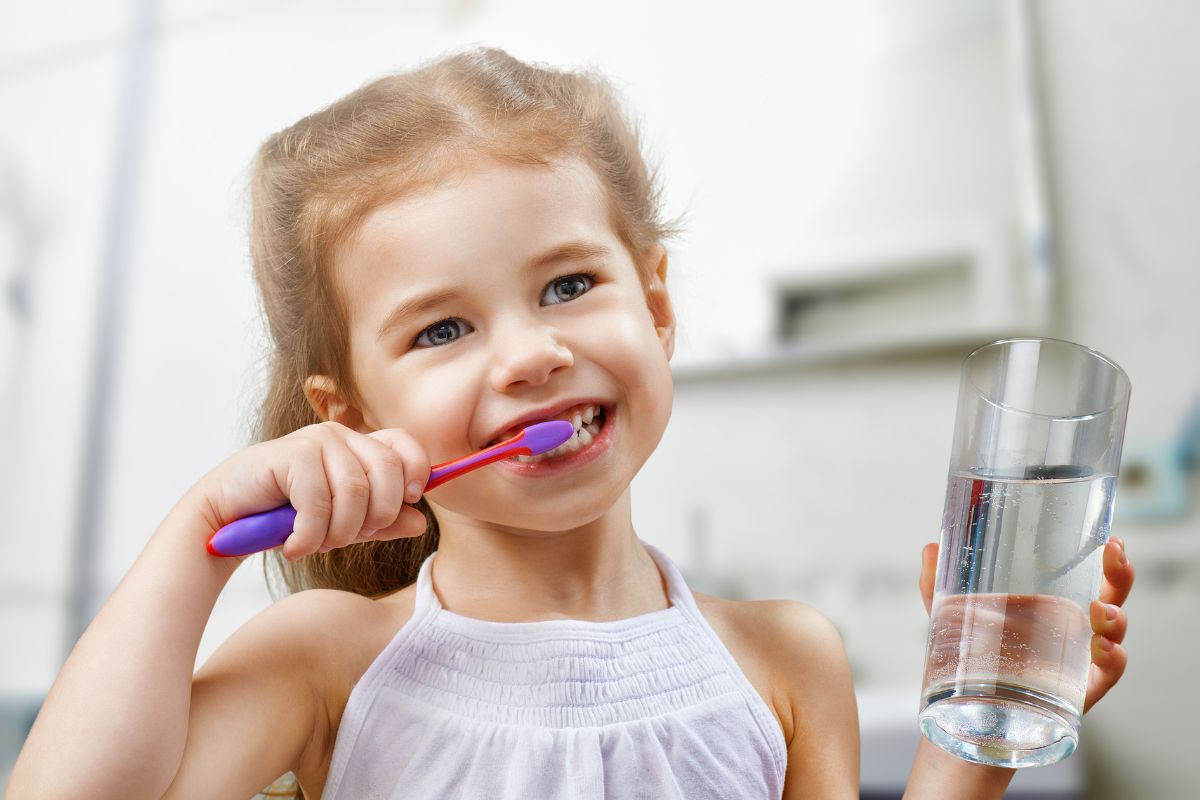
According to dental experts, the ideal brushing time for children (and adults) is two minutes, twice a day. This may seem short, but two minutes is usually enough time to thoroughly clean each tooth and remove any lingering food particles or plaque. Children’s teeth and gums are still developing, so it’s essential to make sure they’re brushing gently but effectively during this time.
To keep things simple, try dividing the two minutes into four 30-second intervals. Each interval can be spent on a different section of the mouth: upper left, upper right, lower left, and lower right. This breakdown can make brushing feel more manageable for kids, ensuring that every part of the mouth gets attention.
Tips for Teaching Your Child to Brush for the Right Amount of Time
Teaching children to brush for two minutes can sometimes be a challenge. Here are some simple tips to help make it easier and more enjoyable for everyone involved:
1. Use a Timer or Brushing App
A timer can be a useful tool to help kids understand what two minutes feels like. You can use a basic kitchen timer or download a brushing app designed for kids. Many brushing apps come with fun music, animations, or games that last for two minutes, making it an enjoyable experience. Some electric toothbrushes even have built-in timers that stop after the recommended brushing time.
2. Make Brushing a Fun Family Routine
Children often model their behavior after adults, so try making brushing a family activity. Brushing together in the morning and before bed not only reinforces the habit but also allows you to ensure that your child is brushing for the correct amount of time. Plus, brushing together can create bonding moments and set a good example.
3. Play Your Child’s Favorite Song
Another fun way to keep track of time is by playing a two-minute song that your child enjoys. Music makes brushing feel less like a chore and more like an enjoyable activity. Try creating a playlist of two-minute songs and let your child choose which one to play each time they brush.
4. Use a Kid-Friendly Toothbrush and Toothpaste
A toothbrush designed for kids, with soft bristles and a comfortable grip, can make brushing easier. Some brushes even feature popular characters, making them appealing to children. Additionally, kids’ toothpaste comes in flavors that might be more enjoyable than the typical mint flavors. This can help your child look forward to brushing instead of avoiding it.
5. Reward Good Brushing Habits
Positive reinforcement can encourage kids to brush for the correct time. Create a reward system, such as a sticker chart, where your child can earn a small reward for brushing twice a day for two minutes. Small incentives can keep them motivated and excited to maintain their routine.
Understanding Common Brushing Challenges
Many children find it hard to brush for the full two minutes at first. If your child has difficulty, don’t worry; this is completely normal. Be patient and consistent with your encouragement. Here are a few common challenges and how to overcome them:
1. Short Attention Span
Young children may find it difficult to focus on brushing for two minutes. Breaking the time into smaller sections, as mentioned earlier, can help them stay engaged. Some parents find success in using songs or storytelling while brushing to keep kids entertained and focused.
2. Dislike of Toothpaste Taste
If your child dislikes the taste of toothpaste, try experimenting with different flavors until you find one they enjoy. Many dental products for kids come in fruity or mild flavors that appeal to younger children. Just make sure that the toothpaste contains fluoride to help protect their teeth from cavities.
3. Difficulty Reaching All Areas
Brushing all areas of the mouth can be challenging for children, especially the molars at the back. Show your child how to angle the toothbrush to reach these spots, and supervise their brushing to ensure they don’t miss any areas. Consider using a toothbrush with a small, rounded head that fits easily into a child’s mouth for better reach.
The Role of Regular Dental Checkups
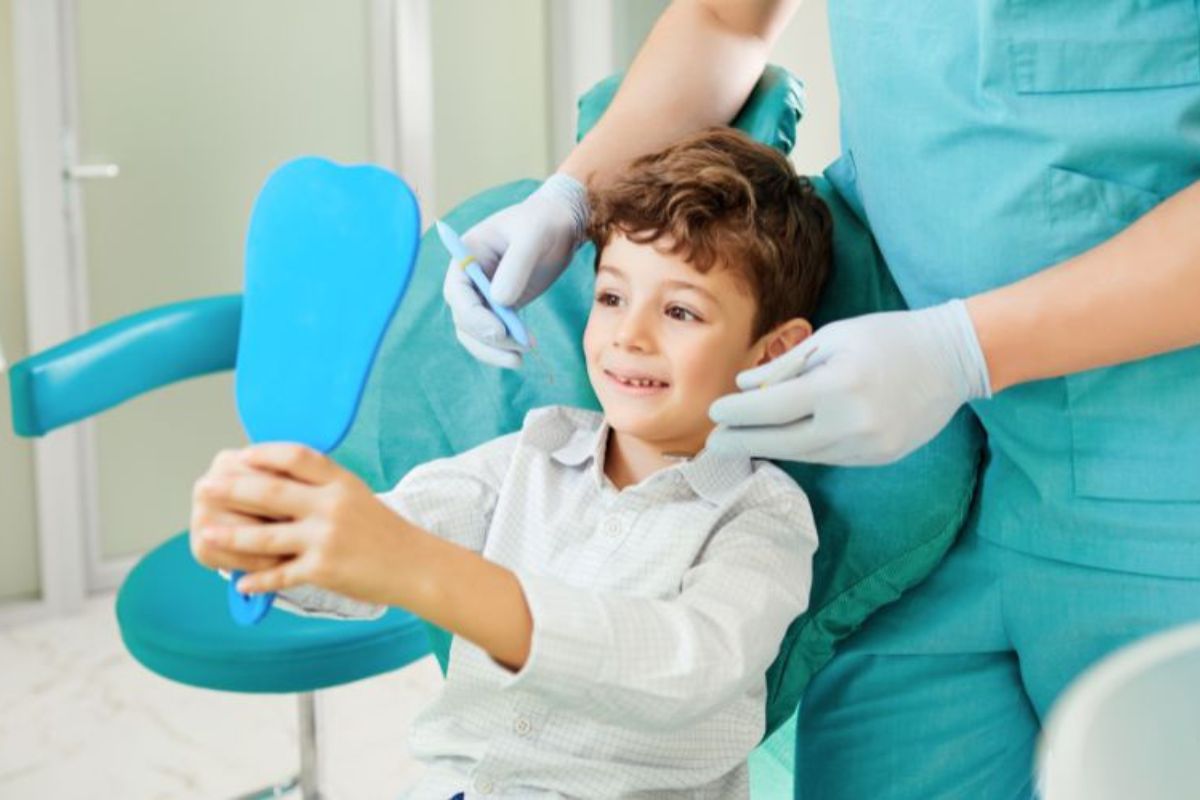
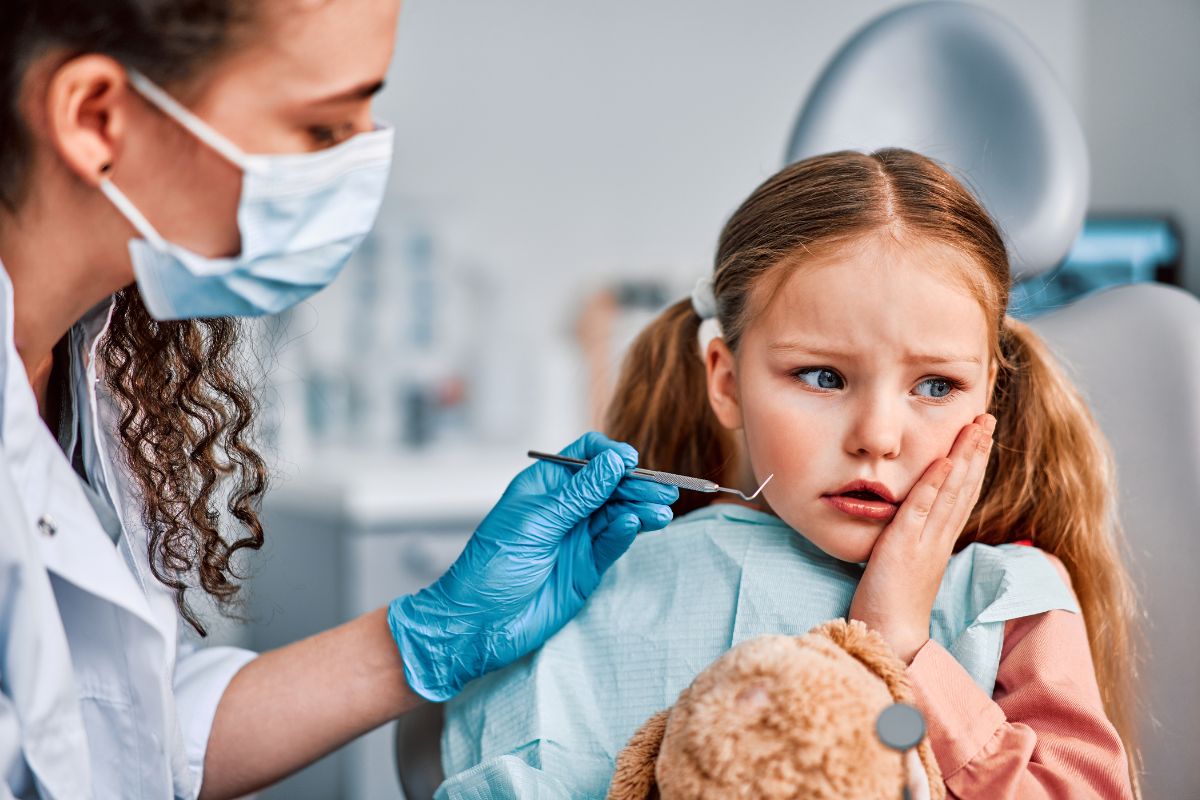
Even with a solid brushing routine, it’s important to bring your child to a dentist regularly for checkups. A Kids Dentist in Asheville, NC, or a pediatric dentist in your area, specializes in children’s oral health and can provide expert guidance on brushing techniques and dental care tips. Regular dental visits help monitor your child’s dental development, detect potential issues early, and reinforce the importance of dental hygiene.
These checkups also allow dentists to professionally clean your child’s teeth, removing any plaque buildup that brushing may have missed. Additionally, pediatric dentists can help apply protective treatments, such as fluoride varnish, to keep teeth strong and healthy.
Brushing Tips by Age Group
To further support your child’s brushing habits, consider age-specific guidelines that match their developmental stage:
- Toddlers (Ages 2-4): At this age, children still need hands-on help with brushing. Parents can gently guide their child’s hand or use a toothbrush themselves to ensure a thorough clean.
- Young Kids (Ages 5-7): Supervision is still essential, but children can start practicing more independence. Parents should check afterward to ensure all areas have been brushed.
- Older Kids (Ages 8+): By this age, most kids can brush independently, but it’s still helpful to remind them about brushing all sides of each tooth and reaching the back molars.
Creating a Lifetime of Healthy Dental Habits
Teaching kids to brush for the right amount of time is a small but significant step toward lifelong oral health. With consistent routines, fun tools, and positive reinforcement, your child can develop healthy brushing habits that they’ll carry into adulthood. Remember, regular checkups with a pediatric dentist can provide additional support and ensure your child’s teeth remain healthy as they grow.
Keeping kids engaged and consistent with brushing can take a little creativity and patience, but the long-term benefits are well worth the effort. A confident, healthy smile starts with just two minutes a day—setting the foundation for years of strong and healthy teeth.