Nervous About Dental Care? What Modern Dentistry Feels Like Today in Asheville
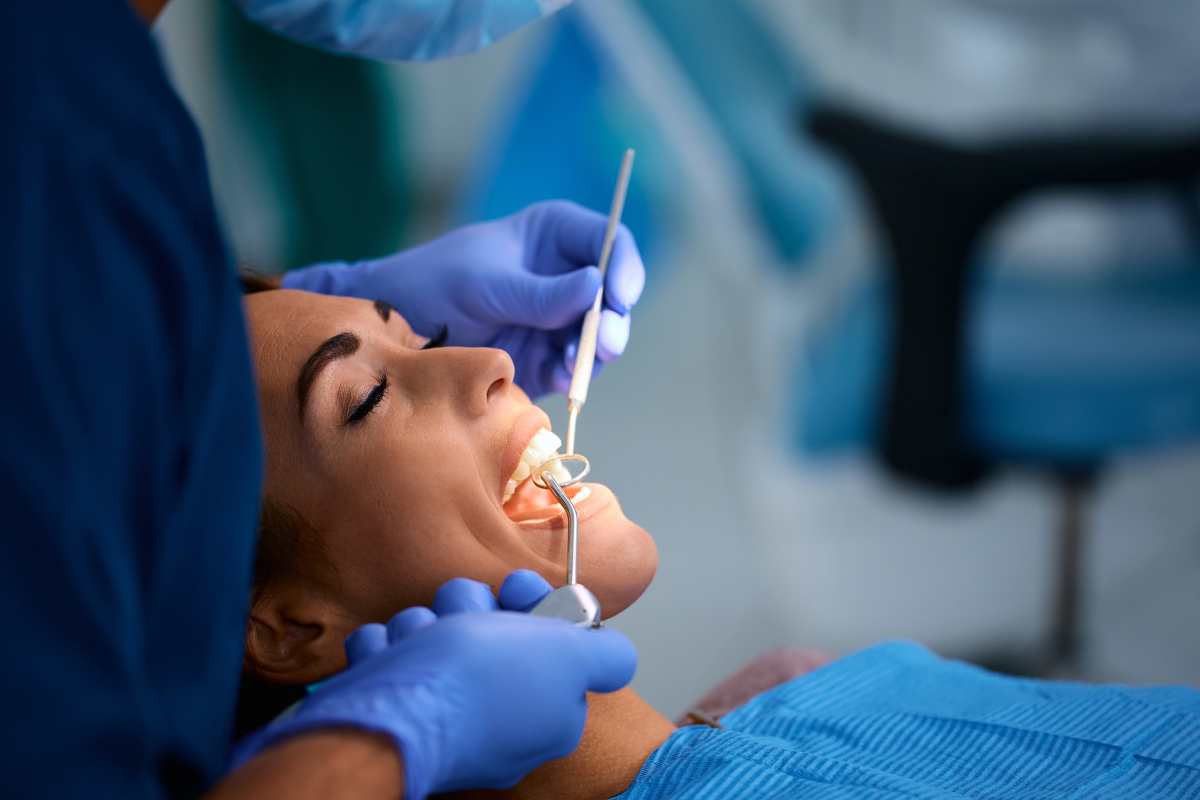
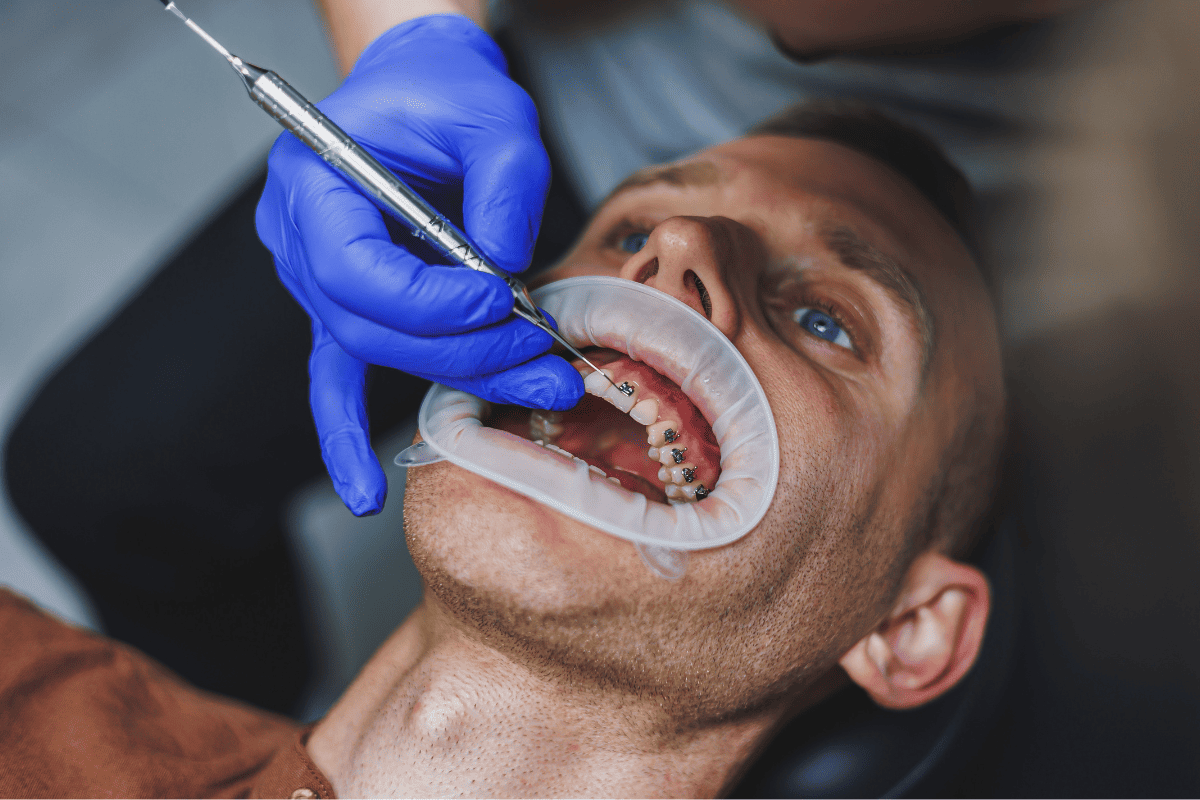
Many people still picture dental visits the same way they did years ago. They expect loud tools, long appointments, sore jaws, and stressful experiences. That fear keeps many adults and parents from scheduling care until a small issue becomes harder to manage. Modern dental treatments feel very different now. Dental visits today focus on comfort, communication, and helping patients feel more relaxed from the moment they walk in. People also expect treatment to interrupt daily life. Busy work schedules, school activities, and family responsibilities already fill the calendar. Sitting through long appointments feels overwhelming for many families. That is one reason patients often delay treatment, even when discomfort starts affecting eating, sleeping, or confidence.
Today’s dental care uses updated technology, calmer environments, and patient-focused treatment planning to create a smoother experience. Many patients searching for a restorative dentist in Asheville discover that modern treatment feels far more comfortable and predictable than expected. At Best Bites Dental, families receive modern care designed around comfort, education, and long-term oral health. The office combines advanced technology with a welcoming environment that helps children and parents feel more at ease during visits.
Why Older Dental Memories Still Affect Patients Today?
People who have had bad experiences with their previous visits often get afraid of dental appointments. These are the reasons:
Dental Fear Often Starts Earlier Than People Realize
Many adults still remember uncomfortable dental appointments from childhood. Those memories stay with people for years. Even hearing dental sounds or walking into a waiting room can create stress. Children notice that anxiety, too. When parents feel nervous, kids often become nervous before treatment even begins. This cycle can continue for years without positive experiences to replace those older memories. Modern dental care focuses heavily on changing that experience. Today, communication plays a major role in helping patients feel informed and comfortable.
Comfort Matters More Than Ever Before
Patients no longer want rushed appointments that feel cold or impersonal. They want clear explanations and a calmer environment. Modern care now includes:
- Digital imaging that improves efficiency during exams
- Comfortable treatment areas designed to reduce stress
- Entertainment options during appointments
- Faster treatment planning with updated technology
- Sedation options for nervous patients or longer procedures
This shift has changed how many families view oral health visits. A positive appointment with a dental clinic often encourages patients to continue regular care instead of delaying it.
Dental Anxiety Is More Common Than Most People Think
The National Institute of Dental and Craniofacial Research reports that fear and anxiety remain among the leading reasons patients avoid dental care. Avoiding treatment often allows cavities, infections, and structural damage to worsen over time. Early care usually leads to simpler treatment and healthier long-term outcomes.
What Makes Modern Dentistry Feel More Comfortable?
Older dental methods used to mean multiple visits and longer wait times, but today’s technology makes things so much better! Digital imaging gives clearer results fast, helping patients see and understand what’s going on inside their mouths through visual explanations. Also, modern tools make treatments more accurate and efficient, which is especially comforting for patients who feel nervous about appointments. It’s wonderful how these advancements help create a more positive experience for everyone involved!
Could Delaying Treatment Be Making Things Worse?
Many dental concerns often begin with small issues. You might notice mild discomfort that feels manageable for weeks or even months. But remember, if left untreated, these problems can get worse over time. For example, a tiny cavity can grow deeper, and minor enamel damage might lead to bigger structural issues. Early gum irritation can also become more serious if not addressed. Catching these concerns early helps ensure simpler, more effective treatment later on.
Restorative Dentistry Helps Protect Teeth Earlier
Restorative oral treatments focus on repairing damaged teeth while preserving oral function and appearance. Local dental offices provide restorative services that support healthier smiles and help families address concerns before they worsen. These services include:
- Dental fillings: Fillings are a great way to bring back the health of your teeth when they’ve been affected by decay, all while helping to protect the remaining parts.
- Dental crowns: Crowns help protect and reinforce teeth that have been damaged, giving you better long-term security after any structural issues.
- Space maintainers: These appliances are a helpful guide for maintaining proper spacing when baby teeth are lost too early.
- Dental sealants: Sealants help protect your teeth from cavities in those tricky spots that are harder to clean.
- Frenectomies: This procedure can help enhance oral function, especially when restricted tissue limits movement.
Modern treatment planning focuses on preserving natural tooth structure whenever possible.
Modern Dental Treatment Is About More Than Treatment
Today’s care focuses on helping patients feel comfortable enough to return consistently. That matters because long-term oral health depends on regular visits, preventive care, and early intervention. Modern treatment does not feel like the rushed dental visits many people remember years ago. Patients now expect better communication, updated technology, and care designed around comfort. Families who once delayed appointments because of fear often feel surprised by how manageable visits can become in the right environment.
When children feel comfortable during appointments, they are more likely to continue healthy habits later in life. Parents also feel more confident scheduling care when appointments feel organized and supportive instead of stressful. That positive cycle can improve oral health for the entire family.
Taking the First Step Often Feels Easier Than Expected
Many patients spend years worrying about treatment before finally scheduling an appointment. Once they visit a modern dental office, they often realize how much the situation has changed. Whether someone needs preventive care, restorative treatment, or support managing anxiety, finding the right dental care provider matters.
Best Bites Dental focuses on helping families feel informed, comfortable, and supported throughout every stage of care. If you have been postponing treatment because of fear or uncertainty, this may be the right time to reconnect with your oral health. Schedule a visit with our restorative dentist in Asheville and learn how this now feels calmer, more efficient, and far more patient-focused.
Frequently Asked Questions
Why do modern dental visits feel less stressful now?
Modern offices focus heavily on comfort, communication, and updated technology. Many appointments now feel more organized and efficient. Patients also receive clearer explanations, which helps reduce uncertainty and emotional stress during treatment.
Why is early treatment important for small dental problems?
Small concerns often worsen quietly over time. A minor cavity or enamel issue may become more serious without treatment. Early care usually protects more natural tooth structure and helps reduce future complications.
What makes children feel more comfortable during appointments?
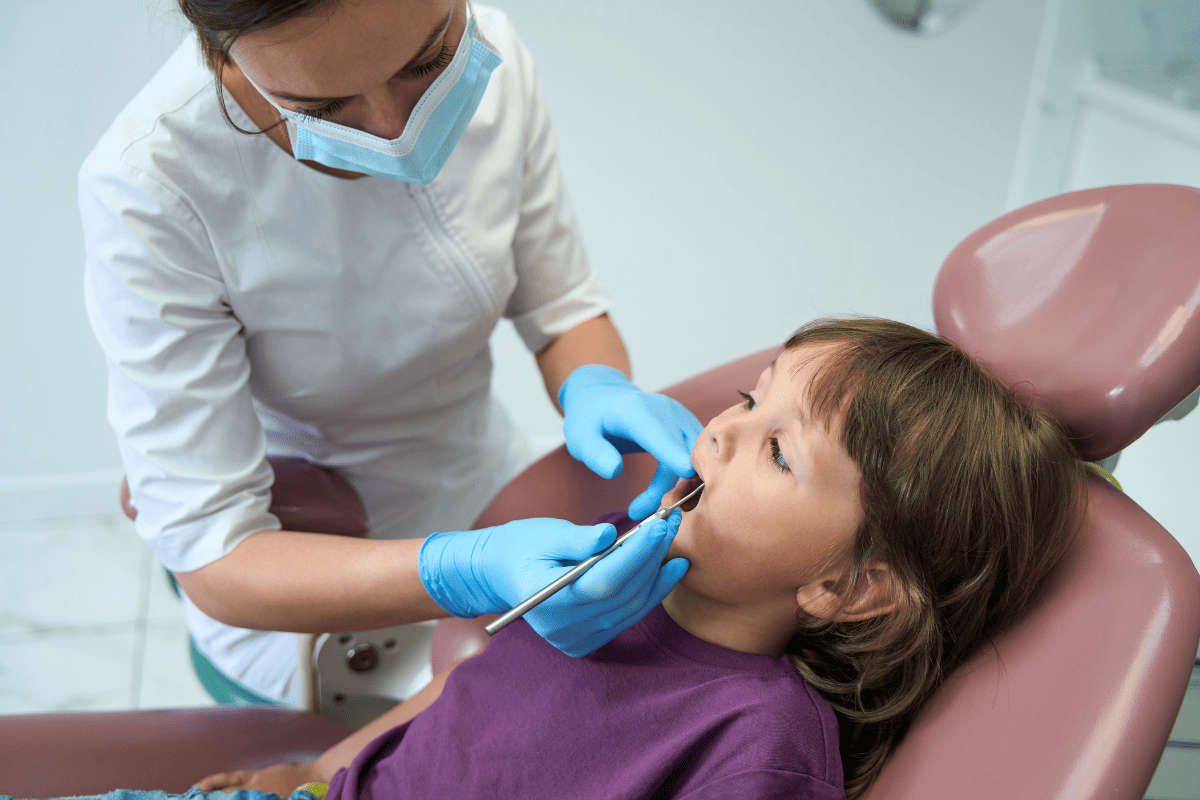
Children respond well to welcoming environments, clear communication, and patient-focused care. Friendly conversations, positive reinforcement, and calm surroundings often help younger patients feel safer and more relaxed throughout visits.
How does preventive care support long-term oral health?
Preventive visits help identify concerns before symptoms worsen. Regular exams, cleanings, and monitoring support healthier teeth and gums over time. Consistent care also helps families avoid more involved treatment later.
Why do families value one consistent dental office?
Consistency helps patients feel more comfortable during appointments. Dental care providers also become more familiar with medical history, growth patterns, and long-term oral health needs. This often creates smoother communication and stronger continuity of care.