Can a Chipped Tooth Be Repaired with Restorative Dentistry?
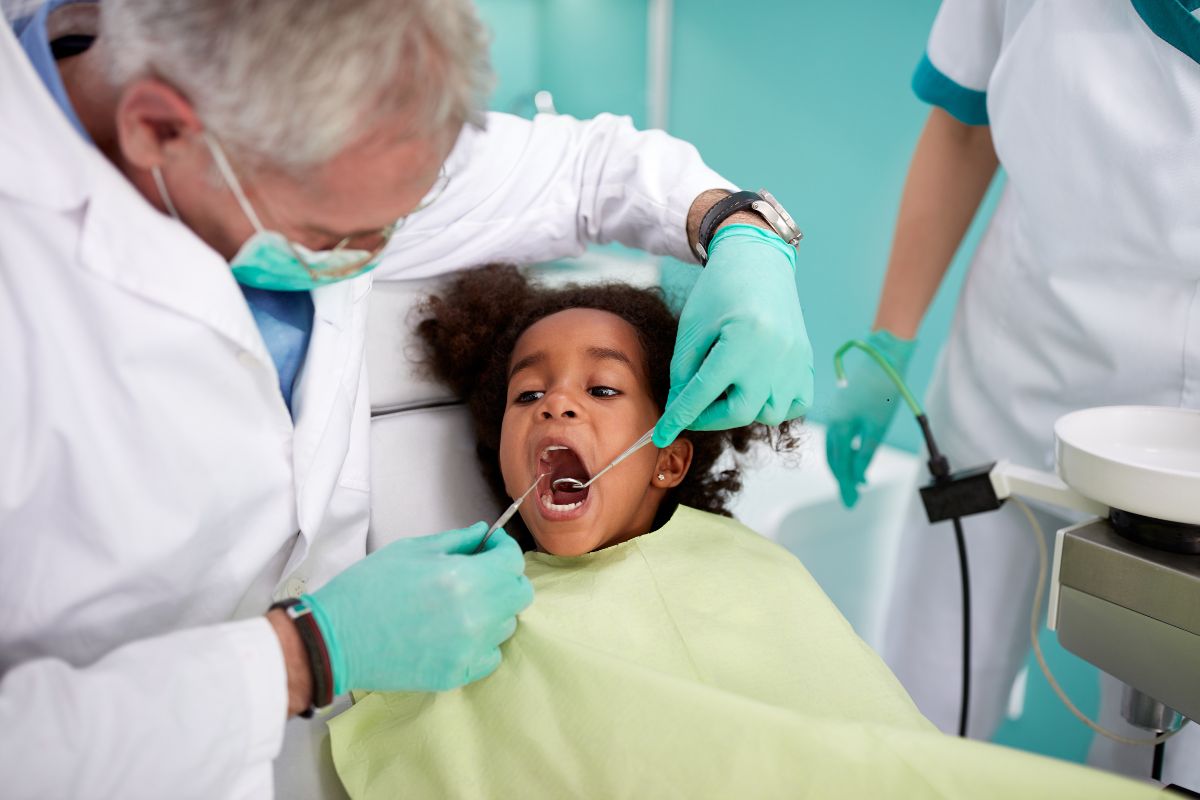
A chipped tooth can be a stressful experience for both parents and children. Whether the chip happens during playtime, from a fall, or simply biting down on something hard, it’s important to know that there are effective solutions available. Restorative dentistry offers various methods to repair a chipped tooth and restore your child’s smile. In this blog, we will explore how a chipped tooth can be repaired, the importance of timely intervention, and the options provided by a Kid’s Dentist.
Understanding the Impact of a Chipped Tooth
When a child chips a tooth, it’s not just about appearance. A chipped tooth can lead to several issues, both immediate and long-term. Let’s delve into why a chipped tooth needs attention.
1. Aesthetic Concerns
The most noticeable impact of a chipped tooth is on the appearance of your child’s smile. Even a small chip can make a significant difference in how their teeth look. This can affect a child’s confidence, especially as they grow older. A Kid’s Dentist understands the importance of a child’s self-esteem and can provide solutions that restore the natural look of their teeth.
2. Sensitivity and Discomfort
A chipped tooth can expose the inner layers of the tooth, leading to increased sensitivity. Your child might experience discomfort when eating or drinking hot or cold foods. This sensitivity can sometimes cause pain and make daily activities like eating less enjoyable.
3. Risk of Further Damage
A chip in the tooth weakens the overall structure, making it more prone to further damage. If left untreated, the chip can grow larger, potentially leading to more severe fractures or even tooth loss. Addressing the issue early with restorative dentistry can prevent these complications.
Restorative Dentistry: Repairing a Chipped Tooth
Restorative dentistry encompasses a variety of treatments designed to repair and restore teeth. When it comes to a chipped tooth, the treatment approach depends on the severity of the damage and the tooth’s location.
1. Dental Bonding: A Simple and Effective Solution
For minor chips, dental bonding is often the go-to solution. In this procedure, a Kid’s Dentist applies a tooth-colored resin to the chipped area. This resin is carefully shaped to match the natural contours of the tooth, then hardened with a special light.
Dental bonding is a quick and painless procedure that can usually be completed in one visit. It’s an excellent option for children as it provides an immediate fix, restoring both function and appearance. Bonding is also cost-effective and blends seamlessly with the natural teeth.
2. Dental Veneers: For More Noticeable Chips
When the chip is more noticeable or affects the front teeth, dental veneers may be recommended. Veneers are thin shells made of porcelain or composite material that cover the front surface of the tooth.
A restorative dentist in Asheville may suggest veneers for older children or teenagers whose teeth have finished developing. Veneers are durable and provide a natural appearance, making them a good option for those concerned about aesthetics. The procedure typically requires two visits: one for preparing the tooth and taking impressions, and another for placing the veneers.
3. Dental Crowns: Protecting a Severely Chipped Tooth
In cases where the chip is significant and affects the tooth’s structure, a dental crown may be necessary. Crowns cover the entire tooth, providing protection and restoring its shape and function.
Crowns are especially useful for molars or teeth that endure a lot of pressure from chewing. The process involves reshaping the tooth to accommodate the crown, taking impressions, and placing a temporary crown while the permanent one is being made. Once the permanent crown is ready, it is cemented into place, ensuring the tooth is protected from further damage.
4. Root Canal Therapy: When the Damage is Deep
If a chipped tooth exposes the pulp—the innermost part of the tooth that contains nerves and blood vessels—root canal therapy may be required. This procedure involves removing the damaged pulp, cleaning the inside of the tooth, and sealing it to prevent infection.
After root canal therapy, a crown is usually placed on the tooth to restore its strength and function. While the term “root canal” might sound intimidating, it’s a common and safe procedure that can save a tooth that might otherwise be lost.
The Importance of Timely Intervention
Addressing a chipped tooth as soon as possible is crucial for several reasons. Early intervention can prevent the need for more extensive treatment down the road and reduce the risk of infection or further damage.
1. Preventing Infection
A chipped tooth can create an entry point for bacteria, leading to infection. This can result in pain, swelling, and even the need for more invasive treatments like extractions. A Kid’s Dentist can quickly assess the damage and recommend the appropriate restorative treatment to prevent these issues.
2. Preserving the Tooth
Timely treatment can help preserve the tooth’s natural structure. Whether through bonding, veneers, or a crown, restorative dentistry aims to maintain as much of the natural tooth as possible while providing a durable repair.
3. Ensuring Long-Term Oral Health
By addressing a chipped tooth promptly, you can help ensure your child’s long-term oral health. Early treatment prevents complications and helps maintain a healthy smile, reducing the risk of more serious dental issues in the future.
Choosing the Right Treatment for Your Child
When it comes to deciding the best treatment for a chipped tooth, the severity of the chip, the tooth’s location, and your child’s age all play a role. A Kid’s Dentist will evaluate these factors and discuss the best options with you.
It’s important to choose a dentist who specializes in restorative dentistry for children, as they will have the expertise and gentle approach needed to make your child feel comfortable during treatment. A restorative dentist in Asheville will ensure that your child’s chipped tooth is repaired with the most appropriate method, restoring both function and aesthetics.
Conclusion
A chipped tooth doesn’t have to be a source of stress. With the help of restorative dentistry, your child’s smile can be fully restored, allowing them to eat, speak, and smile with confidence. Whether through bonding, veneers, crowns, or root canal therapy, the right treatment will depend on the specific needs of your child.
If your child has chipped a tooth, don’t wait to seek treatment. Early intervention is key to preventing further damage and ensuring the best possible outcome. Contact your local Kid’s Dentist today to learn more about your options and take the first step toward restoring your child’s beautiful smile.