Pediatric Orthodontist in Asheville: When Should Your Child First Visit?

Introduction
Many parents assume orthodontic care doesn’t begin until the teenage years, but that’s not always the case. If you’ve ever wondered whether your child’s teeth are developing properly or if early signs of misalignment matter, you’re not alone. These questions often come up long before braces are even considered.
The timing of your child’s first orthodontic visit can have a lasting impact on their oral health. Identifying issues early allows for simpler, more effective treatment and can sometimes prevent more complex procedures later. In a growing child, even small adjustments at the right time can make a big difference.
If you’re searching for a trusted pediatric orthodontist asheville families rely on, early evaluation is key. In Asheville, North Carolina, Best Bites Dental offers a proactive, child-friendly approach to orthodontic care, helping parents stay ahead of potential concerns while keeping kids comfortable throughout the process.
Why Parents Consider Early Orthodontic Visits
Orthodontic care isn’t just about straight teeth; it’s about guiding proper development as your child grows. Many parents choose early evaluations because they want clarity, reassurance, and the ability to act before issues worsen.
One of the most common reasons for an early visit is visible misalignment. Teeth that appear crowded, spaced too far apart, or growing in unusual positions can signal underlying concerns with jaw development.
In other cases, the signs are less obvious. Children may:
- Breathe through their mouth instead of their nose
- Have difficulty chewing or biting evenly
- Show early loss of baby teeth or delayed eruption of permanent teeth
- Develop habits like thumb-sucking that affect alignment
There’s also a preventive aspect. Parents often want to avoid more invasive treatments in the future. Addressing issues during childhood can reduce the need for extractions or lengthy orthodontic care later on.
Beyond function, there’s the emotional side. As children grow, their confidence can be influenced by their smile. Early orthodontic guidance can help ensure they feel comfortable and confident during important developmental years.
How Pediatric Orthodontic Care Works
Understanding what happens during an orthodontic visit can help parents feel more prepared and less anxious about the process.
Initial Evaluation
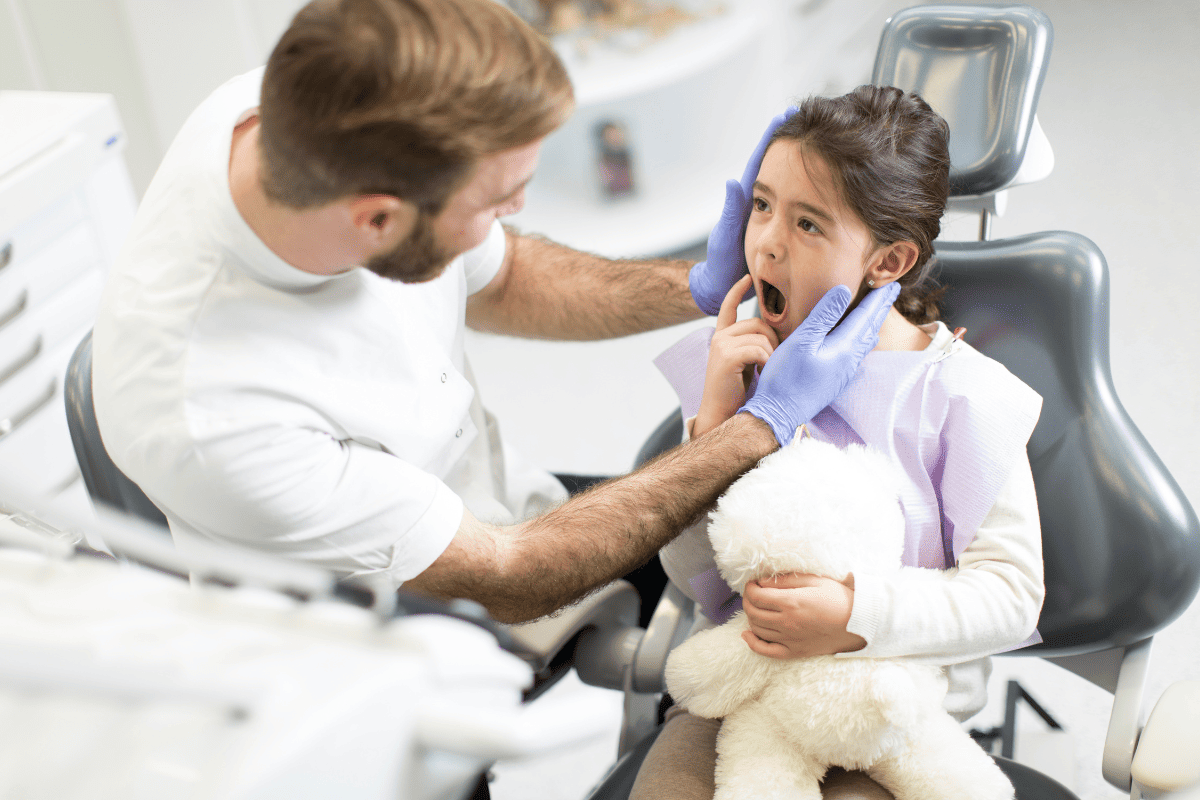
The first visit is typically simple and non-invasive. The pediatric orthodontist asheville examines your child’s teeth, jaw, and bite to assess how everything is developing. Digital imaging or X-rays may be used to get a clearer picture of what’s happening beneath the surface.
This evaluation is not always about starting treatment immediately. In many cases, it’s about monitoring growth and identifying the ideal time to intervene.
Growth Monitoring and Planning
If no immediate issues are found, your child may simply return for periodic check-ups. These visits allow the dentist to track changes and step in at the right moment if needed.
When early signs of misalignment are present, a customized treatment plan is created. This plan focuses on guiding the development of the jaw and teeth rather than correcting fully formed issues later.
Early Orthodontic Treatment Options
Depending on your child’s needs, early treatment may involve:
Space Maintainers
Used when baby teeth are lost too early, helping guide permanent teeth into the proper position.
Palatal Expanders
Devices that gently widen the upper jaw to create more space and improve alignment.
Partial Braces or Aligners
In some cases, limited orthodontic appliances are used to correct specific issues early on.
Habit Correction Appliances
These help address behaviors like thumb-sucking that may impact dental development.
Each approach is designed to be as comfortable and minimally disruptive as possible, especially for younger patients.
Benefits of Early Orthodontic Evaluation
Starting orthodontic care at the right time offers advantages that go beyond aesthetics. Parents often notice improvements in both function and overall oral health.
Some of the key benefits include:
- Better jaw development reduces the risk of future alignment issues
- Less complex treatment later, often shortening the time in braces
- Improved bite function, making chewing and speaking easier
- Reduced risk of tooth damage, especially for protruding teeth
- Early correction of harmful habits, supporting healthy growth
- Enhanced confidence, helping children feel comfortable with their smile
Early care doesn’t always mean immediate treatment; it often means better timing and smarter planning.
Who Should See a Pediatric Orthodontist?
Many parents are surprised to learn that orthodontic evaluations can begin earlier than expected. According to dental guidelines, children should have their first orthodontic assessment by around age 7.
At this stage, a mix of baby and permanent teeth allows the dentist to identify potential issues that may not be visible later.
Your child may benefit from an early visit if you notice:
- Crooked or crowded teeth
- Difficulty biting or chewing
- Jaw shifting or clicking
- Prolonged thumb-sucking or pacifier use
- Teeth that don’t meet properly when the mouth closes
That said, not every child needs early treatment. Some may simply require monitoring until the right time for intervention.
The most important step is getting a professional evaluation. This ensures that any treatment is based on your child’s specific needs, not guesswork.
Common Questions Parents Ask
At what age should my child first see an orthodontist?
Most experts recommend an initial evaluation by age 7. This allows early detection of developmental issues, even if treatment isn’t needed right away.
Does early orthodontic treatment mean my child will still need braces later?
In some cases, yes. However, early treatment often simplifies or shortens future orthodontic care, making it more manageable.
Is early orthodontic treatment uncomfortable for children?
Modern orthodontic techniques are designed to be gentle and child-friendly. Most children adjust quickly and experience minimal discomfort.
How do I know if my child needs treatment now or later?
A professional evaluation is the best way to determine timing. Some children benefit from immediate care, while others only need monitoring.
Conclusion
Understanding when to take your child to a pediatric orthodontist asheville can feel uncertain, but early evaluation provides clarity and peace of mind. It allows you to stay proactive about your child’s oral health while avoiding more complex issues in the future.
For families in Asheville, North Carolina, having access to experienced, child-focused dental care makes the process easier and more reassuring. At Best Bites Dental, the goal is to guide each child’s development with care that is thoughtful, personalized, and focused on long-term results.
If you’ve noticed changes in your child’s smile or simply want expert guidance, scheduling a consultation is a simple step that can make a lasting difference. Early attention today can help ensure a healthier, more confident smile for years to come.